Solving Intelligence, Vision and Connectivity Challenges at the Edge with ECP5 FPGAs

This article was originally published at Lattice Semiconductor's website. It is reprinted here with the permission of Lattice Semiconductor. The rapid rise in the number of sensors that are being integrated into the current generation of embedded designs, as well as the integration of low cost cameras and displays, have opened the door to a

Solving Intelligence, Vision and Connectivity Challenges at the Edge with ECP5 FPGAs Read More +

imglogo2013

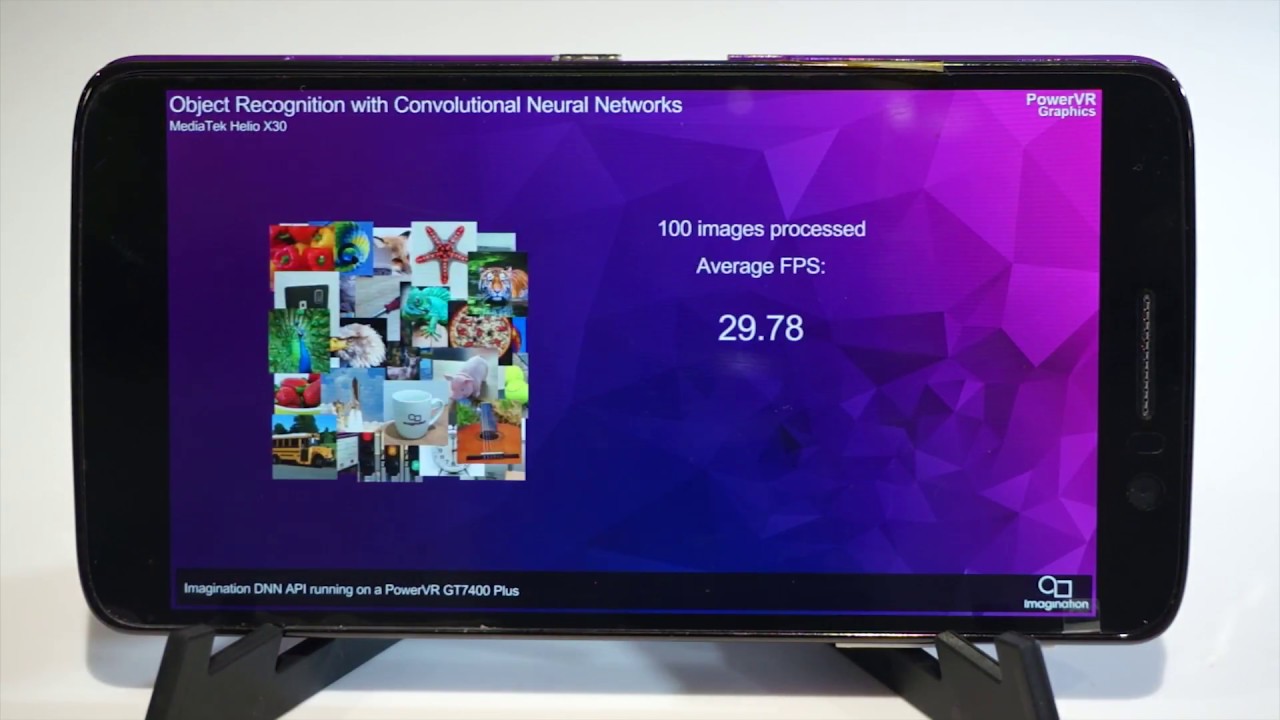
Imagination Announces Hardware Virtualized GPU Core to Meet Automotive Needs for Cluster, HUD and Infotainment

PowerVR Series8XT four-Cluster IP designed to support ultra-high resolutions and multiple displays LONDON, UK—24th January 2018–Imagination Technologies announces a new, high performance GPU core that supports the multiple, ultra-high resolution displays for cluster, Head-Up Display (HUD) and infotainment that automotive manufactures are fitting to car interiors from 2018 onwards. Thanks to an 80% fillrate density improvement

Imagination Announces Hardware Virtualized GPU Core to Meet Automotive Needs for Cluster, HUD and Infotainment Read More +

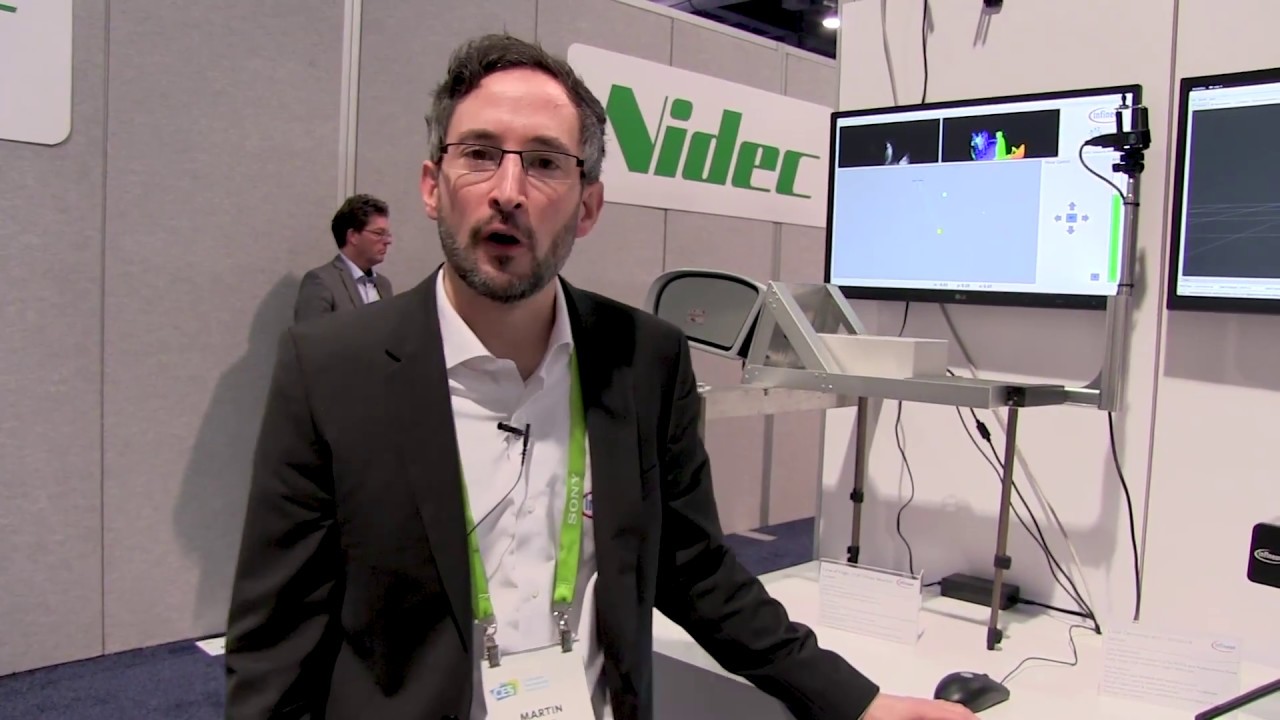
Infineon Demonstration of of a 3D ToF In-cabin Sensing Solution for Automotive

Martin Lass, Product Marketing Manager for 3D ToF (time-of-flight) imagers at Infineon, demonstrates the company's latest embedded vision technologies and products at the January 2018 Consumer Electronics Show. Specifically, Lass demonstrates use cases for an automotive in-cabin sensing solution, based on the REAL3 ToF imager with 352×288 pixel resolution and a wide FOV (field of

Infineon Demonstration of of a 3D ToF In-cabin Sensing Solution for Automotive Read More +

Cars, Robots, and Smart Homes Progress with AI and Computer Vision

Every year we see amazing technology at CES, including innovations in automotive, smart robots, drones, AR/VR, smart home appliances and many other technologies. One of the things that’s exciting to follow is the advancement from expensive, futuristic gadgets to useful, practical devices. This year showed huge progress in that direction, but also included a fair

Cars, Robots, and Smart Homes Progress with AI and Computer Vision Read More +

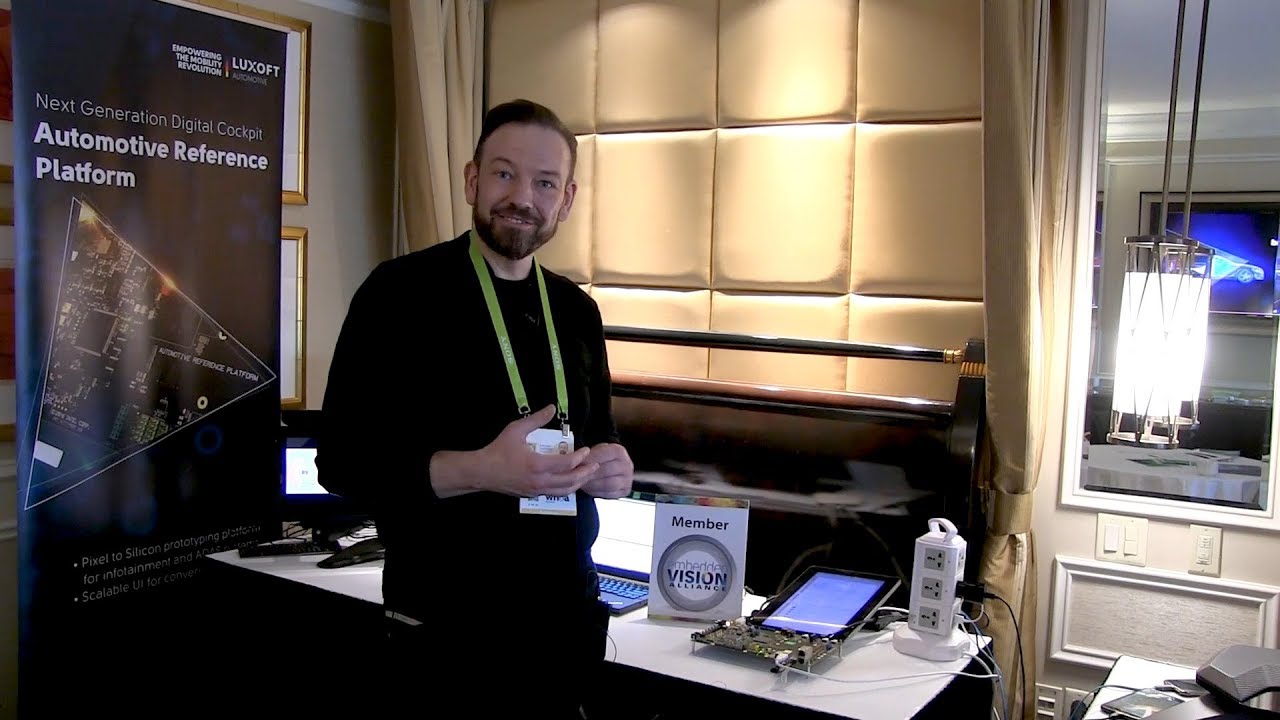
Luxoft Demonstration of Its New Converged Digital Cockpit Head Unit Co-developed with Intel

Mikael Soderberg, Senior Director of Technology at Luxoft, demonstrates the company's latest embedded vision technologies and products at the January 2018 Consumer Electronics Show. Specifically, Soderberg demonstrates the company's newly developed automotive reference platform (ARP), designed to enhance digital cockpit development. Co-developed with Intel, the platform is designed to power the digital cockpits of the

Luxoft Demonstration of Its New Converged Digital Cockpit Head Unit Co-developed with Intel Read More +

Morpho Demonstration of Computational Photography and Machine Learning

Toshi Torihara, Vice President of Morpho US, demonstrates the company's latest embedded vision technologies and products at the January 2018 Consumer Electronics Show. Specifically, Torihara gives an introduction to the company's CES hospitality suite demonstrations, including highlights of AI-based face bokeh and the latest EIS (electronic image stabilization), which utilizes IMU (inertial measurement unit) sensor

Morpho Demonstration of Computational Photography and Machine Learning Read More +

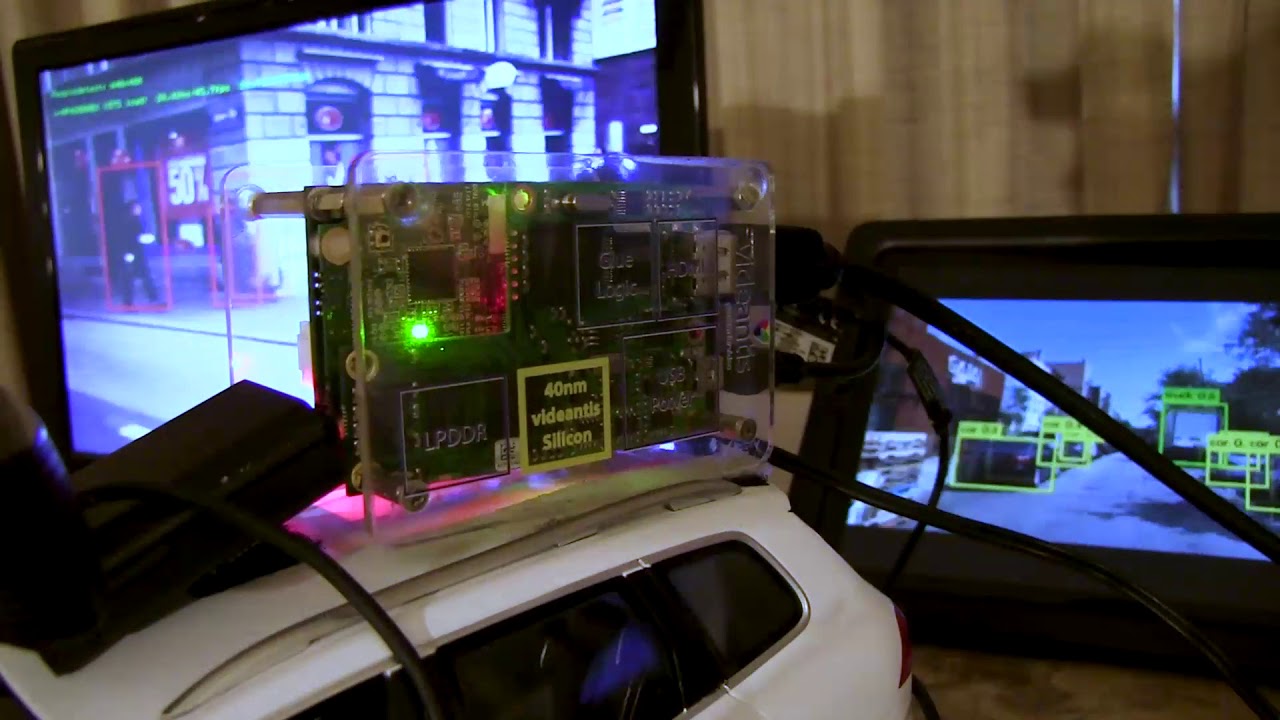
Videantis Demonstration of Deep Learning and Computer Vision for Automotive Applications

Marco Jacobs, Vice President of Marketing at videantis, demonstrates the company's latest embedded vision technologies and products at the January 2018 Consumer Electronics Show. Specifically, Jacobs gives an introduction to videantis, its position in the market, and its low power, scaleable deep learning and vision processor families. Videantis demonstrations include SLAM, CNNs, pedestrian detection, and

Videantis Demonstration of Deep Learning and Computer Vision for Automotive Applications Read More +

nvidia

NVIDIA Announces World’s First Functionally Safe AI Self-Driving Platform

NVIDIA DRIVE Enables Automakers to Create Self-Driving Vehicles That Can Operate Safely Even When Faults Are Detected Wednesday, January 10, 2018—CES—NVIDIA today unveiled details of its functional safety architecture for NVIDIA DRIVE™, its AI autonomous vehicle platform, which uses redundant and diverse functions to enable vehicles to operate safely, even in the event of faults

NVIDIA Announces World’s First Functionally Safe AI Self-Driving Platform Read More +

Here you’ll find a wealth of practical technical insights and expert advice to help you bring AI and visual intelligence into your products without flying blind.

Contact

Address

Berkeley Design Technology, Inc.
PO Box #4446
Walnut Creek, CA 94596

Phone
Phone: +1 (925) 954-1411
Scroll to Top