FUNCTIONS

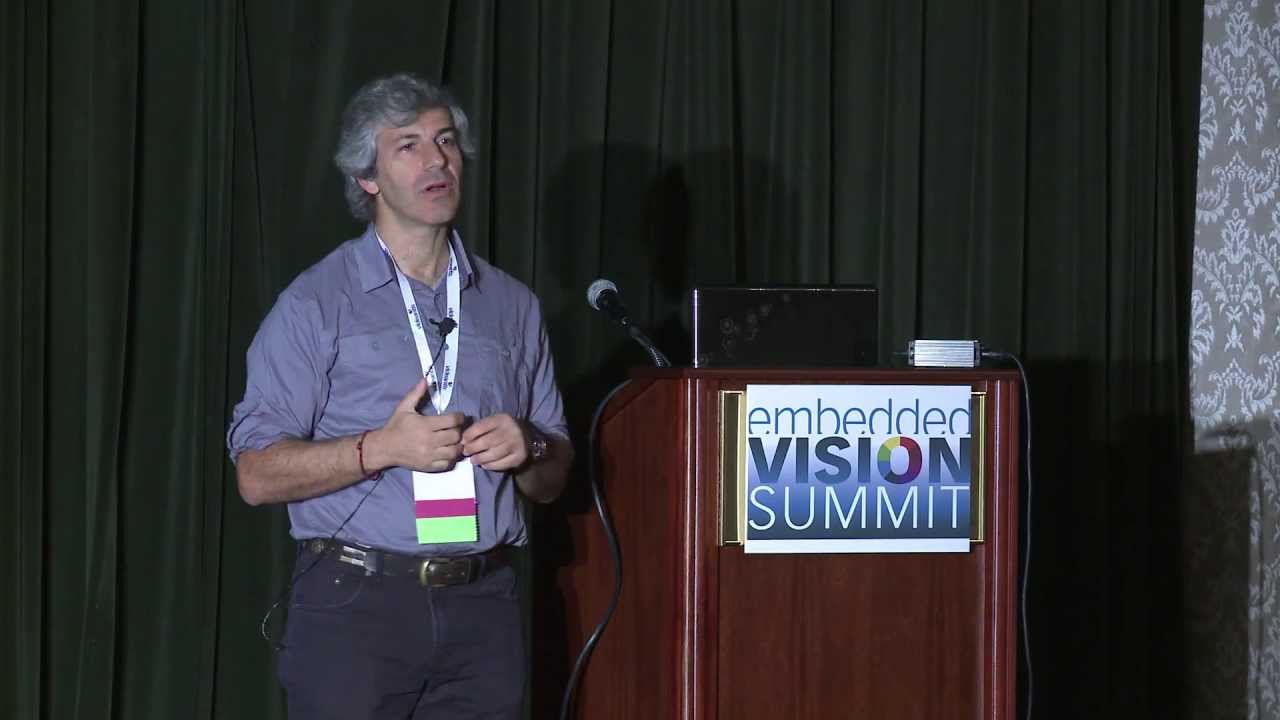
“Embedding Computer Vision in Everyday Life,” a Keynote Presentation from iRobot

Mario E. Munich, Vice President of Advanced Development at iRobot, presents the "Embedding Computer Vision in Everyday Life" keynote at the October 2013 Embedded Vision Summit East. Munich speaks about adapting highly complex computer vision technologies to cost-effective consumer robotics applications. Munich currently manages iRobot's research and advanced development efforts. He was formerly the CTO […]

“Embedding Computer Vision in Everyday Life,” a Keynote Presentation from iRobot Read More +
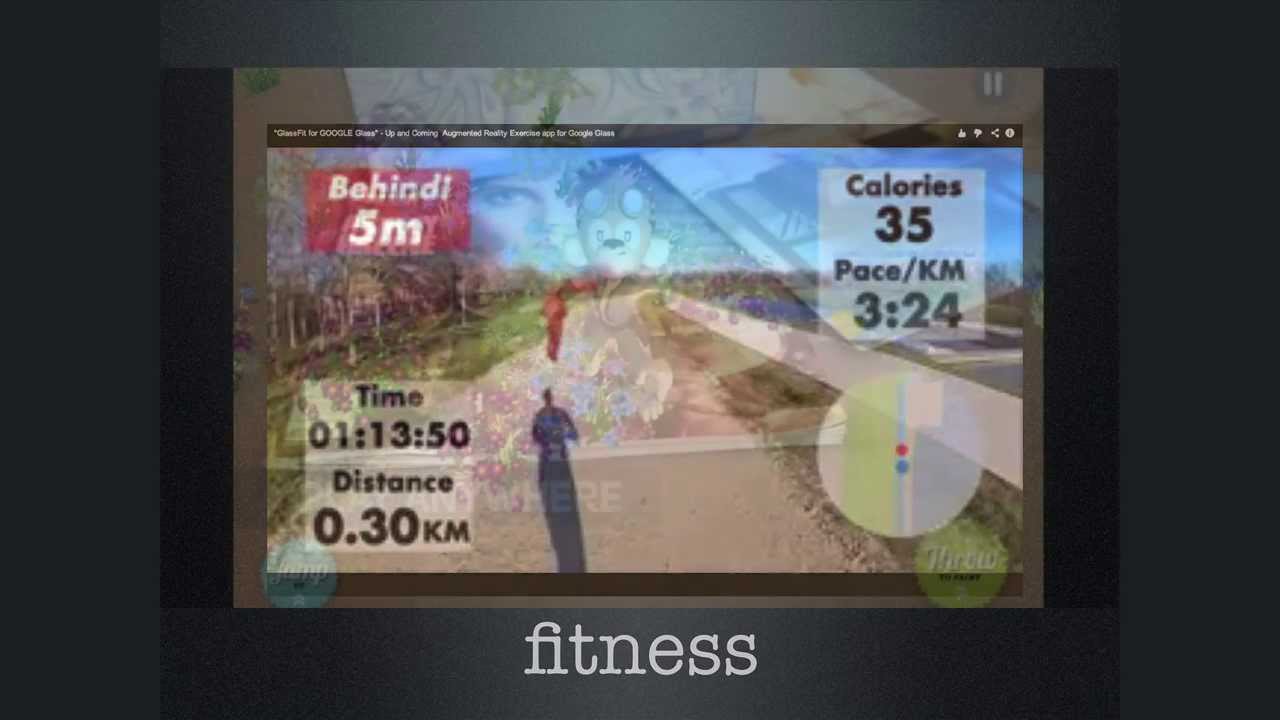
October 2013 Embedded Vision Alliance Member Meeting Keynote: “Augmented Reality Opportunities and Challenges: From Novelty to Productivity,” Ori Inbar, AugmentedReality.org

Ori Inbar, Founder and CEO of AugmentedReality.org, delivers the keynote, "Augmented Reality Opportunities and Challenges: From Novelty to Productivity," at the October 2013 Embedded Vision Alliance Member Meeting. In this presentation, Ori explains how augmented reality (which relies heavily on embedded vision) is transitioning from a bleeding-edge technology embraced mainly by enthusiasts to a mainstream

October 2013 Embedded Vision Alliance Member Meeting Keynote: “Augmented Reality Opportunities and Challenges: From Novelty to Productivity,” Ori Inbar, AugmentedReality.org Read More +

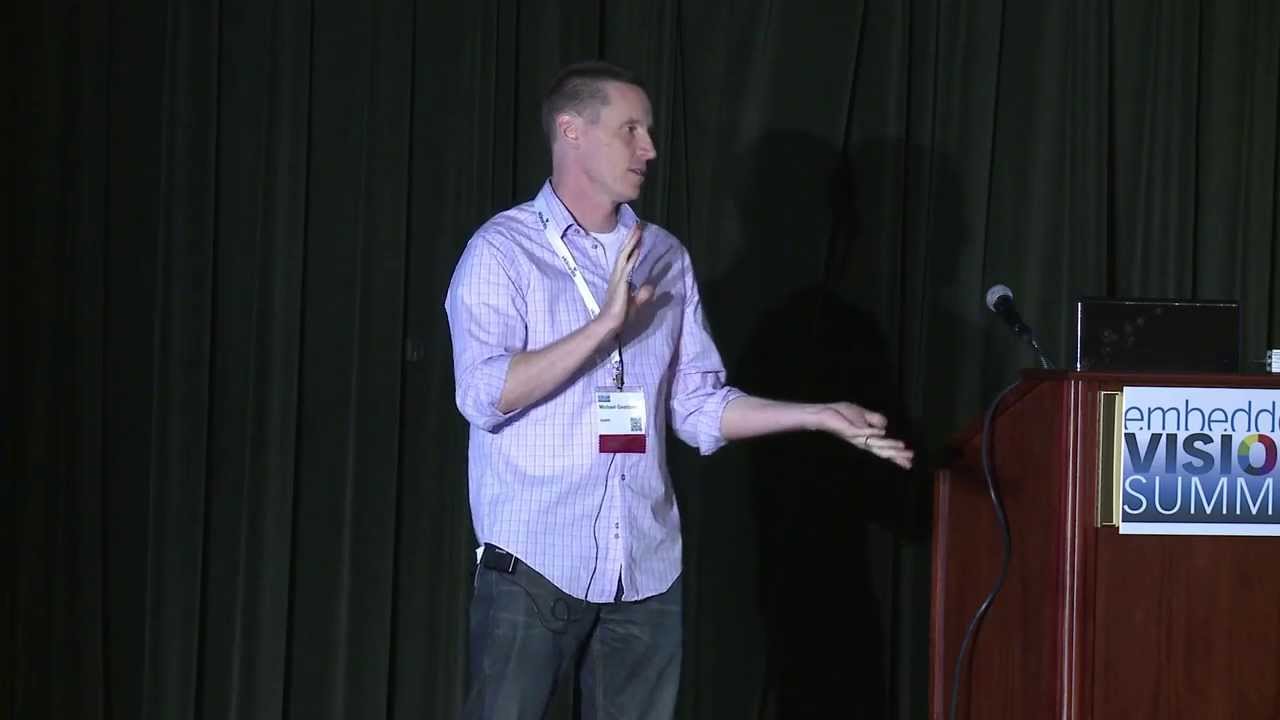
October 2013 Embedded Vision Summit Technical Presentation: “The DARPA Visual Media Reasoning Program,” Mike Geertsen, DARPA

Mike Geertsen, Program Manager at DARPA, presents the "DARPA Visual Media Reasoning Program" tutorial within the "Algorithm Development Techniques and Tools" technical session at the October 2013 Embedded Vision Summit East. Under the Visual Media Reasoning (VMR) program, DARPA has facilitated the development of a range of innovative computer vision technologies, all focused on a

October 2013 Embedded Vision Summit Technical Presentation: “The DARPA Visual Media Reasoning Program,” Mike Geertsen, DARPA Read More +

October 2013 Embedded Vision Summit Technical Presentation: “Using Synthetic Image Generation to Reduce the Cost of Vision Algorithm Development,” Clark Dorman, Next Century Corporation

Clark Dorman, Chief Engineer at Next Century Corporation, presents the "Using Synthetic Image Generation to Reduce the Cost of Vision Algorithm Development" tutorial within the "Algorithm Development Techniques and Tools" technical session at the October 2013 Embedded Vision Summit East. One of the greatest challenges in developing computer vision applications is the development and maintenance

October 2013 Embedded Vision Summit Technical Presentation: “Using Synthetic Image Generation to Reduce the Cost of Vision Algorithm Development,” Clark Dorman, Next Century Corporation Read More +

GPUTEch

Face Recognition: Learn About GPU Acceleration

Professor Brian Lovell of the University of Queensland, Australia, who's also Chief Technical Officer at Imagus Technology, is a well-known figure in the fields of fields of computer vision and pattern recognition. Lovell is also a long-time advisor to (and advocate of) the Embedded Vision Alliance. On Tuesday November 5 at 9AM PT, Lovell and

Face Recognition: Learn About GPU Acceleration Read More +

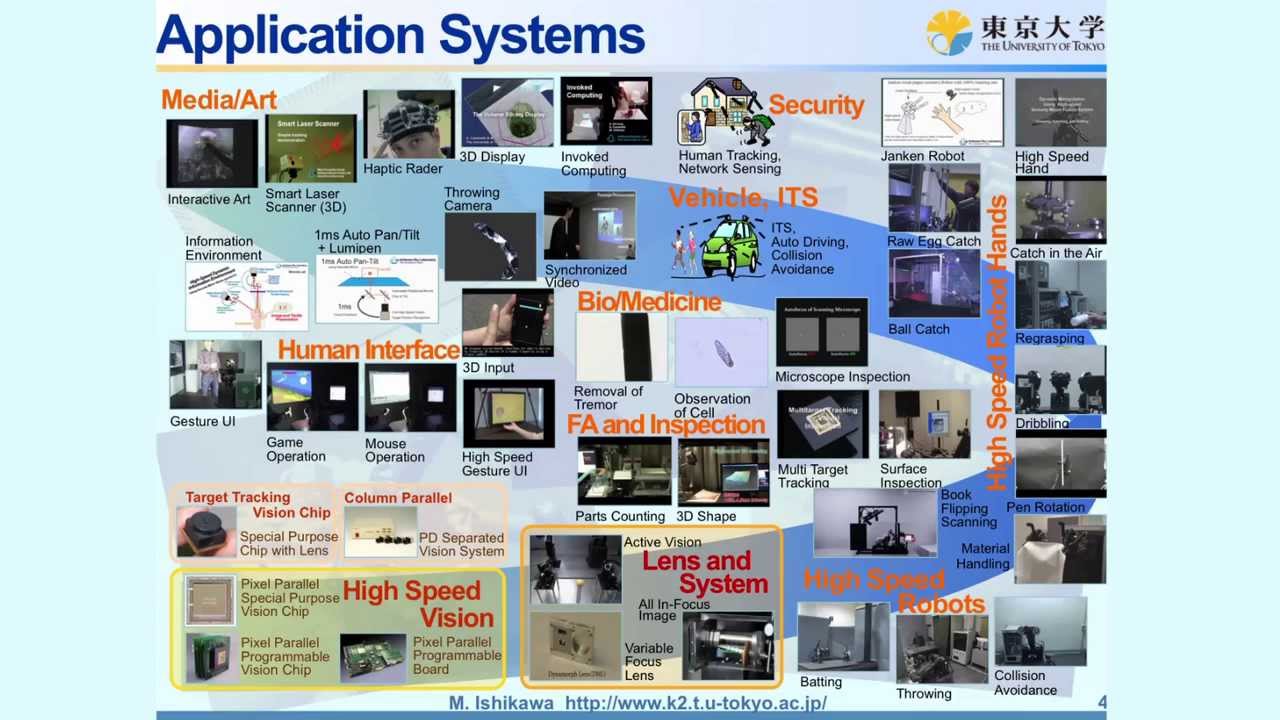
“High Speed Vision and Its Applications,” a Presentation from Professor Masatoshi Ishikawa

Professor Masatoshi Ishikawa of Tokyo University delivers the keynote presentation, "High Speed Vision and Its Applications — Sensor Fusion, Dynamic Image Control, Vision Architecture, and Meta-Perception," at the July 2013 Embedded Vision Alliance Member Meeting. High speed vision processing and various applications based on it are expected to become increasingly common due to continued improvement

“High Speed Vision and Its Applications,” a Presentation from Professor Masatoshi Ishikawa Read More +

Figure4

Embedded Vision on Mobile Devices: Opportunities and Challenges

by Tom Wilson CogniVue Brian Dipert Embedded Vision Alliance This article was originally published at Electronic Engineering Journal. It is reprinted here with the permission of TechFocus Media. Courtesy of service provider subsidies coupled with high shipment volumes, relatively inexpensive smartphones and tablets supply formidable processing capabilities: multi-core GHz-plus CPUs and graphics processors, on-chip DSPs

Embedded Vision on Mobile Devices: Opportunities and Challenges Read More +

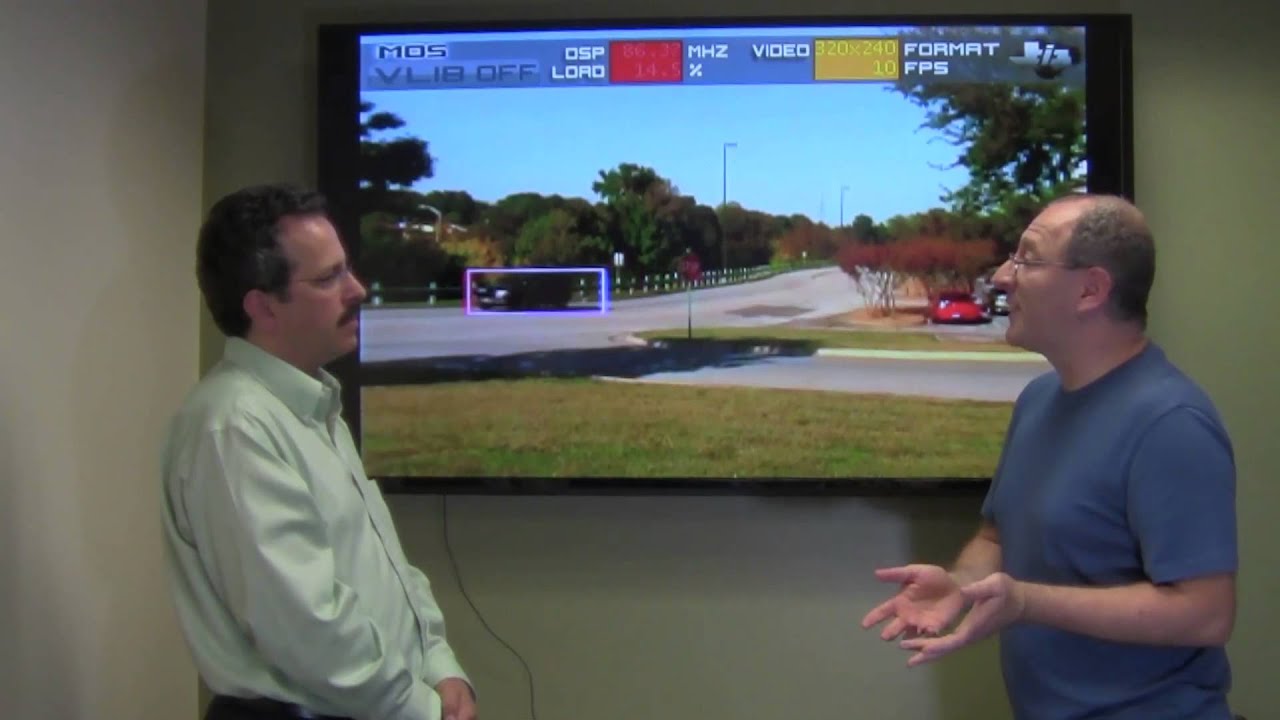
Moving Object Detection Through Background Subtraction, Part Two

Jeff Bier, founder of the Embedded Vision Alliance, interviews Goksel Dedeoglu, Manager of Embedded Vision R&D at Texas Instruments. Beginning with a hands-on demonstration of TI's Vision Library VLIB on a DaVinci DM6437 evaluation board, Jeff and Goksel touch upon various aspects of embedded vision engineering: algorithm design and prototyping in a PC environment, embedded

Moving Object Detection Through Background Subtraction, Part Two Read More +

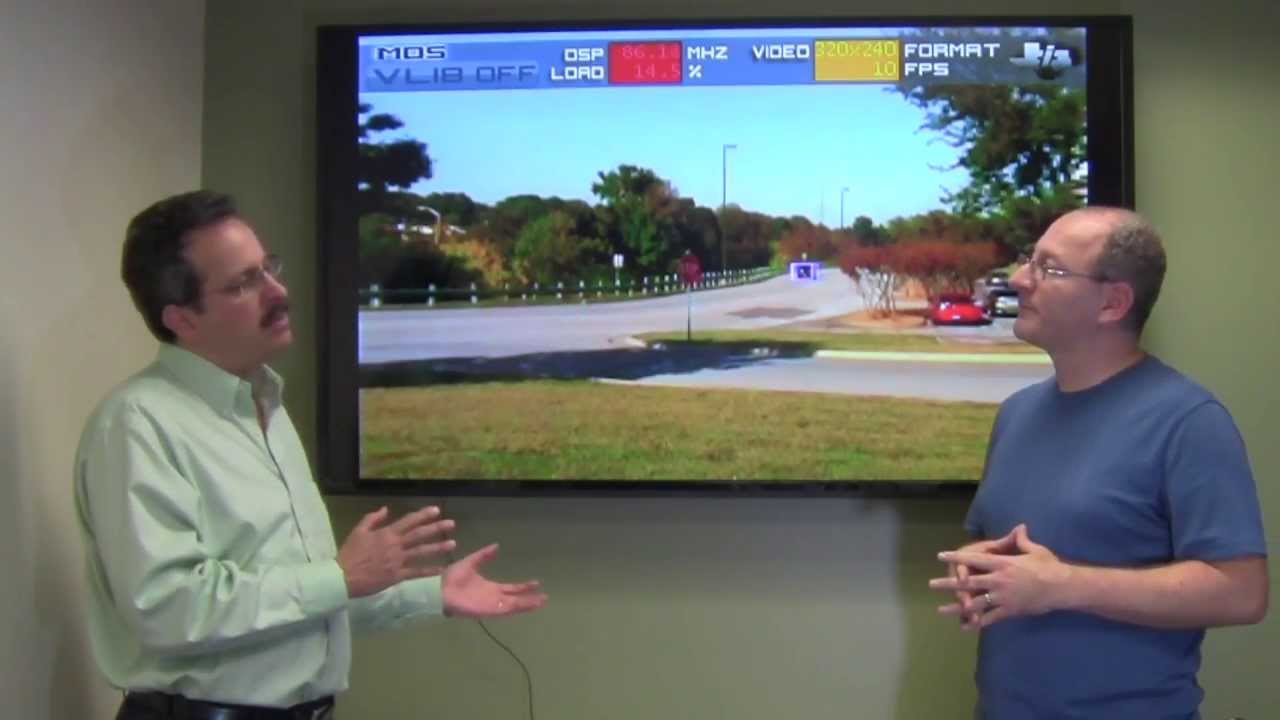
Moving Object Detection Through Background Subtraction, Part One

Jeff Bier, founder of the Embedded Vision Alliance, interviews Goksel Dedeoglu, Manager of Embedded Vision R&D at Texas Instruments. Beginning with a hands-on demonstration of TI's Vision Library (VLIB) on a DaVinci DM6437 evaluation board, Jeff and Goksel touch upon various aspects of embedded vision engineering: algorithm design and prototyping in a PC environment, embedded

Moving Object Detection Through Background Subtraction, Part One Read More +

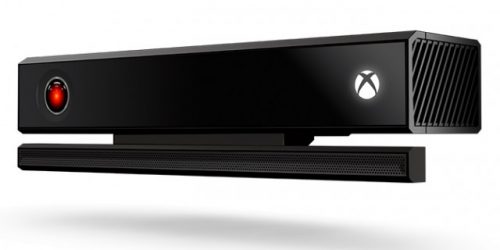
xbox-one-kinect-hal-640x353

Microsoft Kinect For Windows 2.0: Developer Registration Is A “Go”

For those of you who haven't already heard, Microsoft unveiled its next-generation Xbox One game console in late May, containing a bundled next-generation "Kinect 2.0" peripheral. Whereas the first-generation Kinect employs a structured light approach to 3-D sensing, "Kinect 2.0" leverages a time-of-flight technique courtesy of Microsoft's 2010 acquisition of Canesta. The included image sensor

Microsoft Kinect For Windows 2.0: Developer Registration Is A “Go” Read More +

Here you’ll find a wealth of practical technical insights and expert advice to help you bring AI and visual intelligence into your products without flying blind.

Contact

Address

Berkeley Design Technology, Inc.
PO Box #4446
Walnut Creek, CA 94596

Phone
Phone: +1 (925) 954-1411
Scroll to Top