

Multi-Sensor IoT architecture: inside the stack and how to scale it
This blog post was originally published at Qualcomm’s website. It is reprinted here with the permission of Qualcomm. What Is
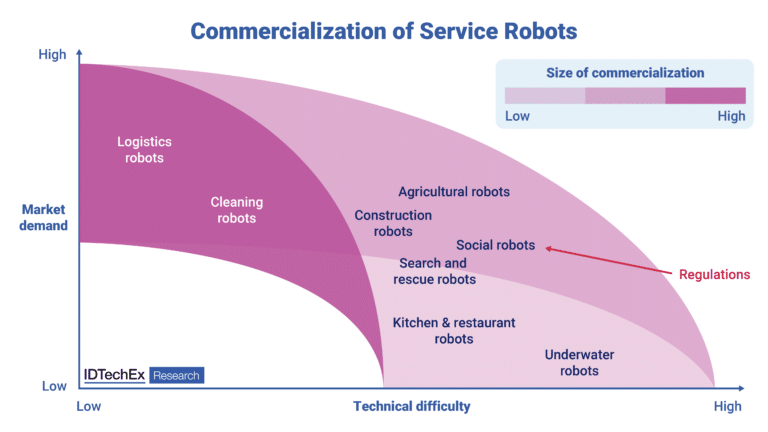
Which Service Robots Will Dominate the Market in the Next 10 Years?
Logistics robots and cleaning robots both benefit from high market demand and relatively low technical barriers, compared to kitchen and

Why On-device AI Matters
This blog post was originally published at ENERZAi’s website. It is reprinted here with the permission of ENERZAi. Hello! I’m
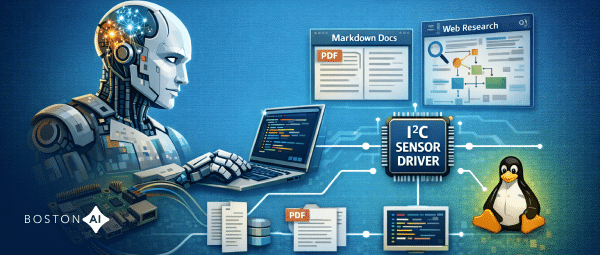
Upcoming Webinar on LLM-driven Driver Development
On March 19, 2026, at 1:00 pm EDT (10:00 am PDT) Boston.AI will deliver a webinar “Intelligent Driver Development with
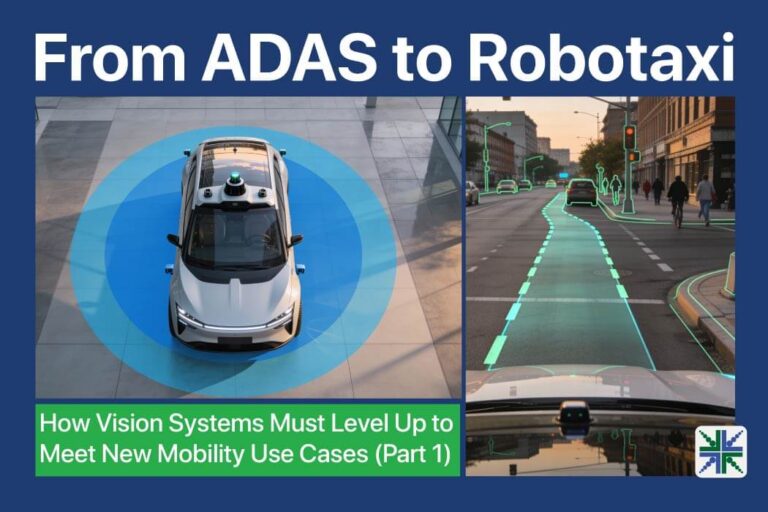
From ADAS to Robotaxi: How to Overcome the Major Vision Challenges
This blog post was originally published at e-con Systems’ website. It is reprinted here with the permission of e-con Systems.

10xEngineers and Andes Enable High-Performance AI Compilation for RISC-V AX46MPV Cores
Hsinchu, Taiwan – February 26, 2026 – The collaboration between 10xEngineers, a services company specializing in AI compilers, and Andes Technology Corporation,

HTEC Research Reveals the Real AI Scaling Challenge: It’s Not the Technology
This blog post was originally published at HTEC’s website. It is reprinted here with the permission of HTEC. AI

Chips&Media Accelerates WAVE-N Ecosystem: Redefining the Future of Next-Generation Customized NPUs
February 24, 2026, Seoul, — As a premier multimedia IP provider, Chips&Media is proud to announce the strategic expansion of the WAVE-N ecosystem – our
CES 2026: Physical AI moves from concept to system architecture
This market analysis was originally published at the Yole Group’s website. It is reprinted here with the permission of the
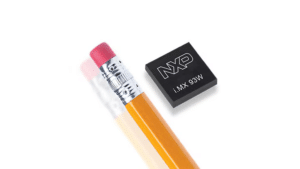
NXP’s New i.MX 93W Fuses Edge Compute and Secure Wireless Connectivity to Accelerate Physical AI
Key Takeaways: First applications processor to combine an AI NPU with secure, tri-radio connectivity, replacing up to 60 discrete components with a single package Accelerates coordinated AI agent deployment with integrated edge compute and secure connectivity, supported by NXP software and eIQ® AI enablement Pre-certified designs simplify wireless certification, eliminating RF complexity and speeding time-to-market
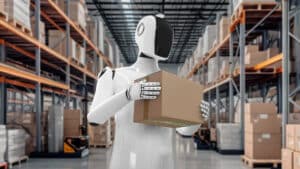
TI Accelerates the Next Generation of Physical AI with NVIDIA
News highlights: TI and NVIDIA are collaborating to accelerate the path from simulation to the safe deployment of humanoid robots in the real world. As part of this collaboration, TI integrated its mmWave radar technology with NVIDIA Jetson Thor and NVIDIA Holoscan to enable low-latency 3D perception and safety awareness for physical AI applications. TI

ModelCat AI Announces AI Model Portability Across Silicon Devices
An industry first, ModelCat’s Agentic AI generates models for new chips using a user’s current production models, dramatically accelerating inferencing to the edge. SUNNYVALE, Calif., March 5, 2026 /PRNewswire/ — ModelCat, the creator of the world’s first fully autonomous AI model builder, today announced its latest innovative platform capability: Model Retargeting (Patent Pending). Using Model Retargeting, ModelCat customers gain model
New IDTechEx Report: Sensor Market 2026-2036
This article was originally published at IDTechEx’s website. It is reprinted here with the permission of IDTechEx. IDTechEx forecasts that the global sensor market will reach US$250B by 2036 as global mega-trends in mobility, AI, robotics, 6G connectivity and IoT drive sensor demand. IDTechEx’s newly updated “Sensor Market 2026-2036: Technologies, Trends, Players, Forecasts” report provides extensive

China’s Autonomous Trucks Now Log Over One Million Kilometers Daily
This blog post was originally published at IDTechEx’s website. It is reprinted here with the permission of IDTechEx. To gain deeper insights into the rapidly accelerating market for autonomous trucks in China, IDTechEx recently visited Inceptio Technology, a leading Chinese autonomous trucking company. Across the global autonomous vehicle landscape, commercial trucks are emerging as one of the first
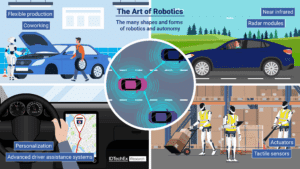
The Art of Robotics and The Growing Intellect of Autonomy
This blog post was originally published at IDTechEx’s website. It is reprinted here with the permission of IDTechEx. ‘Robotics’ takes on many different forms today, from cars pre-empting a driver’s needs and making coffee-stop decisions in their best interest, to humanoid robots operating in warehouses and cobots assisting humans in production lines. IDTechEx’s portfolio of

Multi-Sensor IoT architecture: inside the stack and how to scale it
This blog post was originally published at Qualcomm’s website. It is reprinted here with the permission of Qualcomm. What Is a Multi-Sensor Stack, Really? At its core, a multi-sensor stack is a layered system where multiple sensor types (visual, thermal, acoustic, motion, environmental) work in parallel to generate a contextual understanding of the world around

Why On-device AI Matters
This blog post was originally published at ENERZAi’s website. It is reprinted here with the permission of ENERZAi. Hello! I’m Minwoo Son from ENERZAi’s Business Development team. Through several posts so far, we’ve shared ENERZAi’s full-stack software capabilities for delivering high-performance on-device AI — including Optimium, our proprietary AI compiler that encapsulates our optimization expertise;

From ADAS to Robotaxi: How to Overcome the Major Vision Challenges
This blog post was originally published at e-con Systems’ website. It is reprinted here with the permission of e-con Systems. Key Takeaways Why does robotaxi vision need more than task-driven ADAS sensing? Impact of long-duty operation and changing lighting on perception reliability Challenges faced across vehicles, cities, and operating conditions How visual data continuity affects