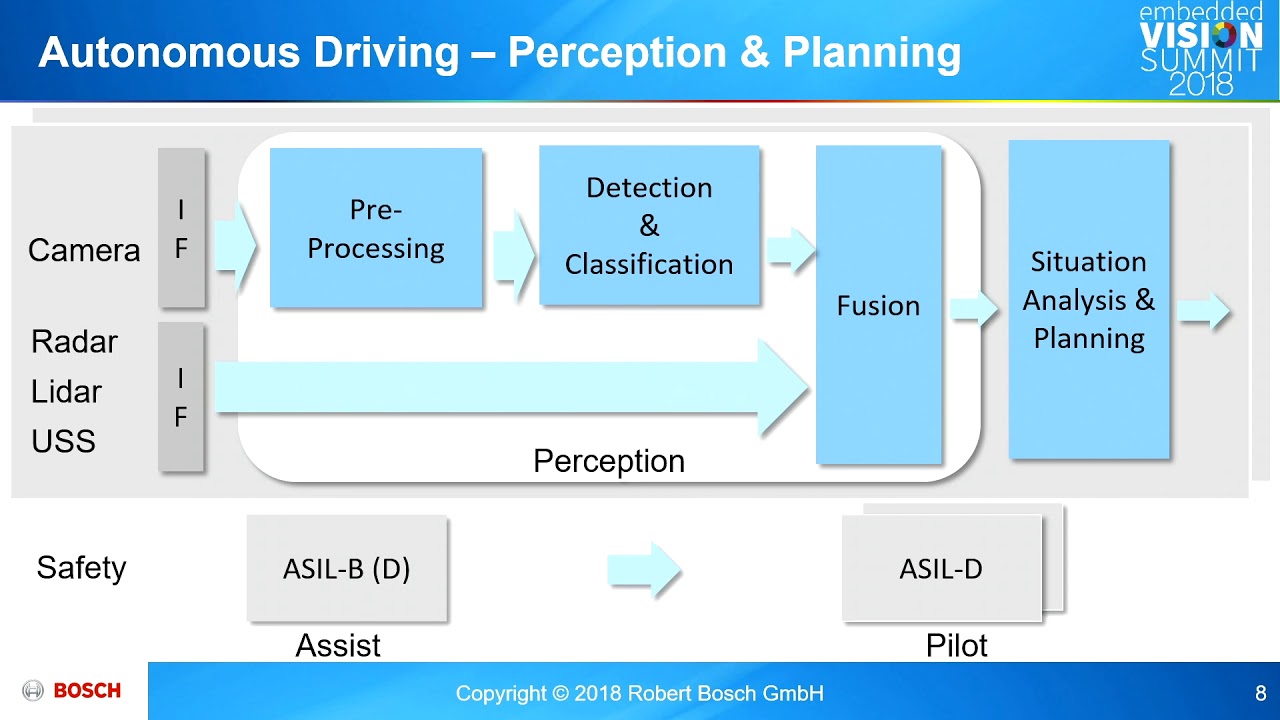
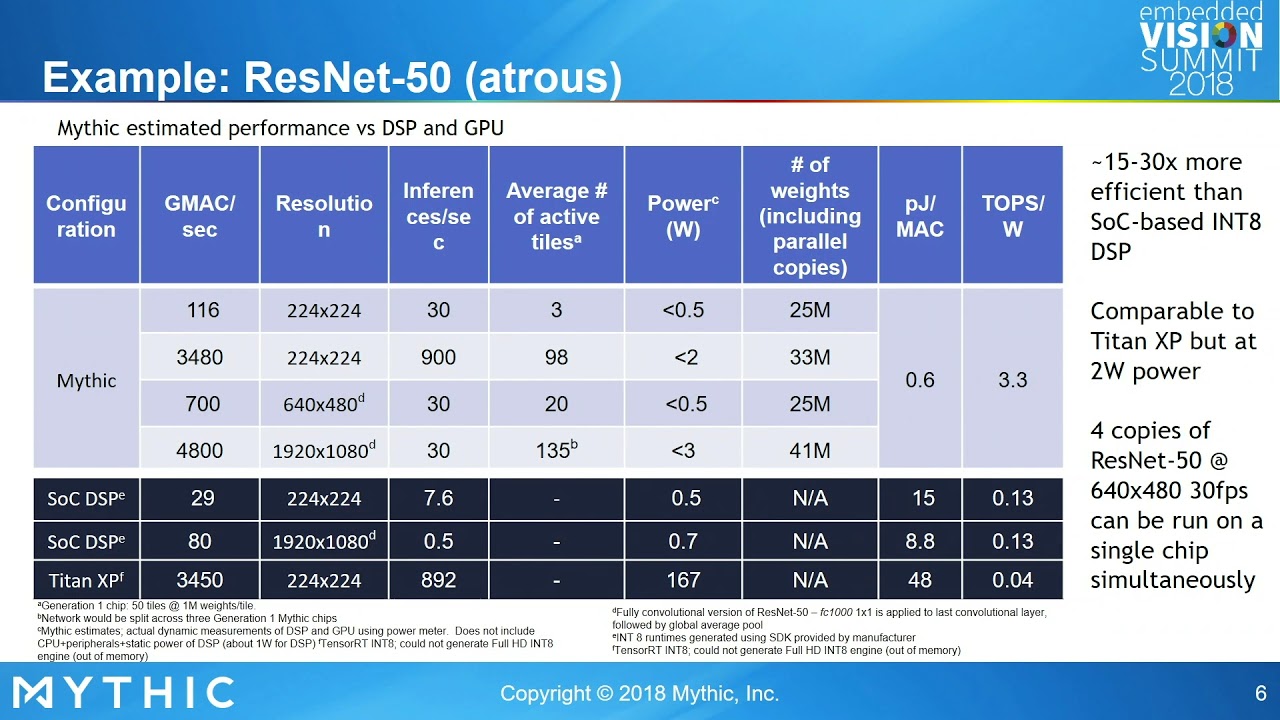
“Mythic’s Analog Deep Learning Accelerator Chip: High Performance Inference,” a Presentation from Mythic

Frederick Soo, Head of Product Development at Mythic, presents the “Mythic’s Analog Deep Learning Accelerator Chip: High Performance Inference” tutorial at the May 2018 Embedded Vision Summit. This presentation explains how Mythic’s deep learning accelerator chip uses a unique analog circuit approach to deliver massive power, speed and scalability advantages over current generation deep learning […]
“Mythic’s Analog Deep Learning Accelerator Chip: High Performance Inference,” a Presentation from Mythic Read More +

astronomy scientific grade scmos high resolution large sensor cameras

XIMEA Announces Cooled Range of sCMOS Cameras Including Backside-illuminated Models

MUNSTER, Germany – 2018-08-24 – Increased challenges in Scientific field and industrial applications require further enhancement in camera quality and XIMEA is preparing a combination of models based on the newest Scientific CMOS (sCMOS) sensors divided into versions with Thermoelectric Peltier cooling or PCI Express interface which delivers their full speed potential. The whole range

XIMEA Announces Cooled Range of sCMOS Cameras Including Backside-illuminated Models Read More +

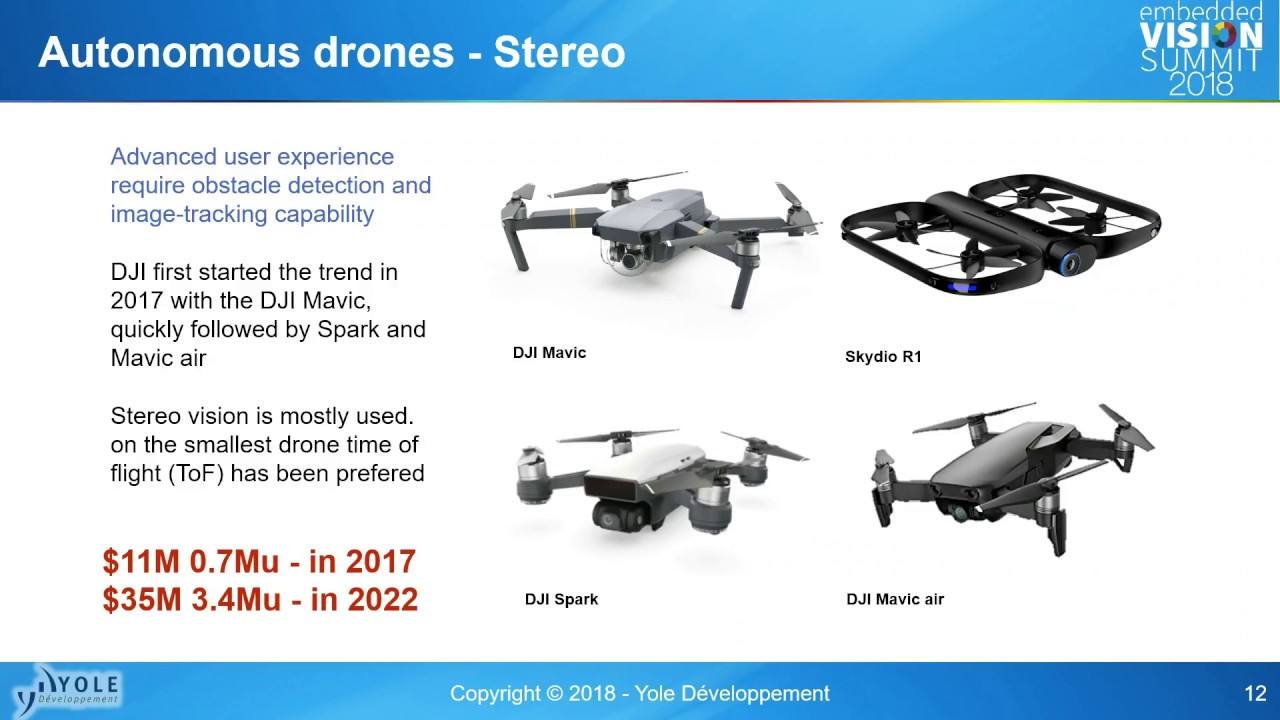
“From 2D to 3D: How Depth Sensing Will Shape the Future of Vision,” a Presentation from Yole Développement

Guillaume Girardin, Division Director for photonics, sensing and displays at Yole Développement, presents the “From 2D to 3D: How Depth Sensing Will Shape the Future of Vision” tutorial at the May 2018 Embedded Vision Summit. For several decades, 3D imaging and sensing technologies have matured, thanks to extensive, successful deployments in high-end applications, mainly in

“From 2D to 3D: How Depth Sensing Will Shape the Future of Vision,” a Presentation from Yole Développement Read More +

1*x7FJASuPDMsW9X-JX1FSEw

Training Data to Help Machines See

This blog post was originally published at Camio's website. It is reprinted here with the permission of Camio. Assembling realistic and relevant training data is critical to the quality of AI classifiers. But finding and collecting all that real-life data is hard — especially when the training data is specialized for specific camera scenes and private to

Training Data to Help Machines See Read More +

“Enabling Cross-platform Deep Learning Applications with the Intel CV SDK,” a Presentation from Intel

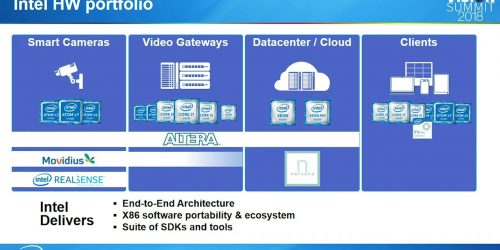
Yury Gorbachev, Principal Engineer and the Lead Architect for the Computer Vision SDK at Intel, presents the “Enabling Cross-platform Deep Learning Applications with the Intel CV SDK” tutorial at the May 2018 Embedded Vision Summit. Intel offers a wide array of processors for computer vision and deep learning at the edge, including CPUs, GPUs, VPUs

“Enabling Cross-platform Deep Learning Applications with the Intel CV SDK,” a Presentation from Intel Read More +

vcnano3d-z_laser_1000px

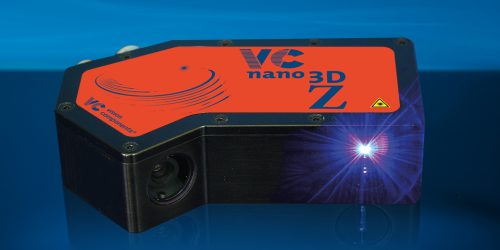
Embedded 3D Image Processing

Vision Components has developed new 3D laser scanners with powerful integrated electronics. The VCnano3D-Z-series embedded vision systems are compact, lightweight, and easy-to-integrate in OEM applications. They contain a Xilinx Zynq SoC, which comprises a dual-core ARM processor and an FPGA. In order to determine line coordinates in laser triangulation, a point cloud has to be

Embedded 3D Image Processing Read More +

427bd40c-456d-4192-999d-cbf847d355ac

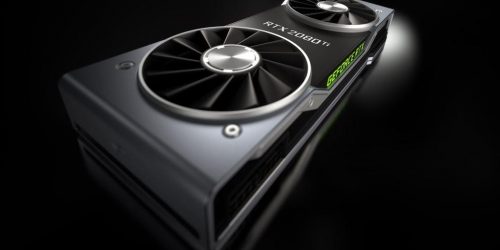
10 Years in the Making: NVIDIA Brings Real-Time Ray Tracing to Gamers with GeForce RTX

NVIDIA RTX Hybrid Graphics Made Possible by AI and Ray Tracing Inventions; Delivers 6x Performance Boost; September Availability Monday, August 20, 2018—Gamescom—NVIDIA today unveiled the GeForce RTX™ series, the first gaming GPUs based on the new NVIDIA Turing™ architecture and the NVIDIA RTX™ platform, which fuses next-generation shaders with real-time ray tracing and all-new AI

10 Years in the Making: NVIDIA Brings Real-Time Ray Tracing to Gamers with GeForce RTX Read More +

EVA180x100

Embedded Vision Insights: August 21, 2018 Edition

VISION PROCESSING IN THE CLOUD Introduction to Creating a Vision Solution in the Cloud A growing number of applications utilize cloud computing for execution of computer vision algorithms. In this presentation, Nishita Sant, Computer Vision Scientist at GumGum, introduces the basics of creating a cloud-based vision service, based on GumGum's experience developing and deploying a

Embedded Vision Insights: August 21, 2018 Edition Read More +

“Computer Vision Hardware Acceleration for Driver Assistance,” a Presentation from Bosch

Markus Tremmel, Chief Expert for ADAS at Bosch, presents the “Computer Vision Hardware Acceleration for Driver Assistance” tutorial at the May 2018 Embedded Vision Summit. With highly automated and fully automated driver assistance system just around the corner, next generation ADAS sensors and central ECUs will have much higher safety and functional requirements to cope

“Computer Vision Hardware Acceleration for Driver Assistance,” a Presentation from Bosch Read More +

sbb

AI Think I Can: Why GPUs Could Be the Engine Leading Us to Autonomous Trains

This blog post was originally published at NVIDIA's website. It is reprinted here with the permission of NVIDIA. Self-driving cars and trucks are the talk of the town, but trains could be first out of the station as a fully autonomous form of transportation. That’s because — unlike passenger vehicles or long-haul trucks — a

AI Think I Can: Why GPUs Could Be the Engine Leading Us to Autonomous Trains Read More +

Here you’ll find a wealth of practical technical insights and expert advice to help you bring AI and visual intelligence into your products without flying blind.

Contact

Address

Berkeley Design Technology, Inc.
PO Box #4446
Walnut Creek, CA 94596

Phone
Phone: +1 (925) 954-1411
Scroll to Top