Brian Dipert

“Understanding and Implementing Face Landmark Detection and Tracking,” a Presentation from PathPartner Technology

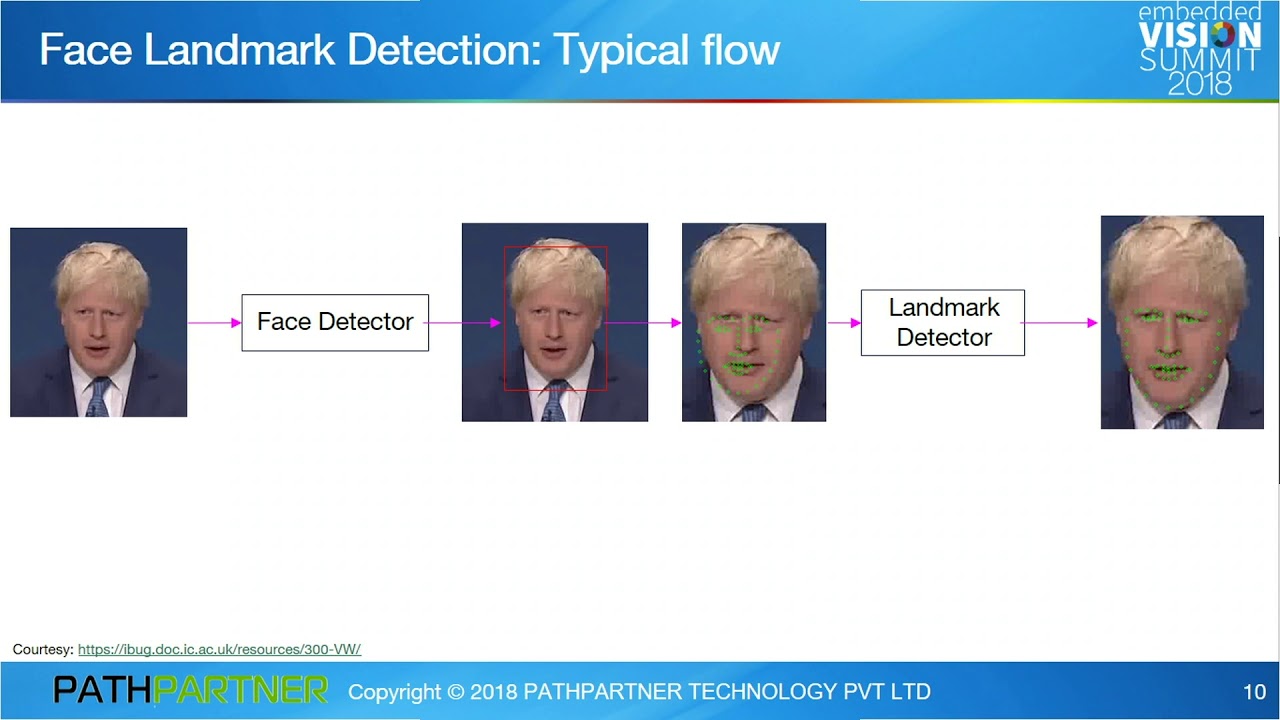
Jayachandra Dakala, Technical Architect at PathPartner Technology, presents the “Understanding and Implementing Face Landmark Detection and Tracking” tutorial at the May 2018 Embedded Vision Summit. Face landmark detection is of profound interest in computer vision, because it enables tasks ranging from facial expression recognition to understanding human behavior. Face landmark detection and tracking can be […]

“Understanding and Implementing Face Landmark Detection and Tracking,” a Presentation from PathPartner Technology Read More +

“From Feature Engineering to Network Engineering,” a Presentation from ShatterLine Labs and AMD

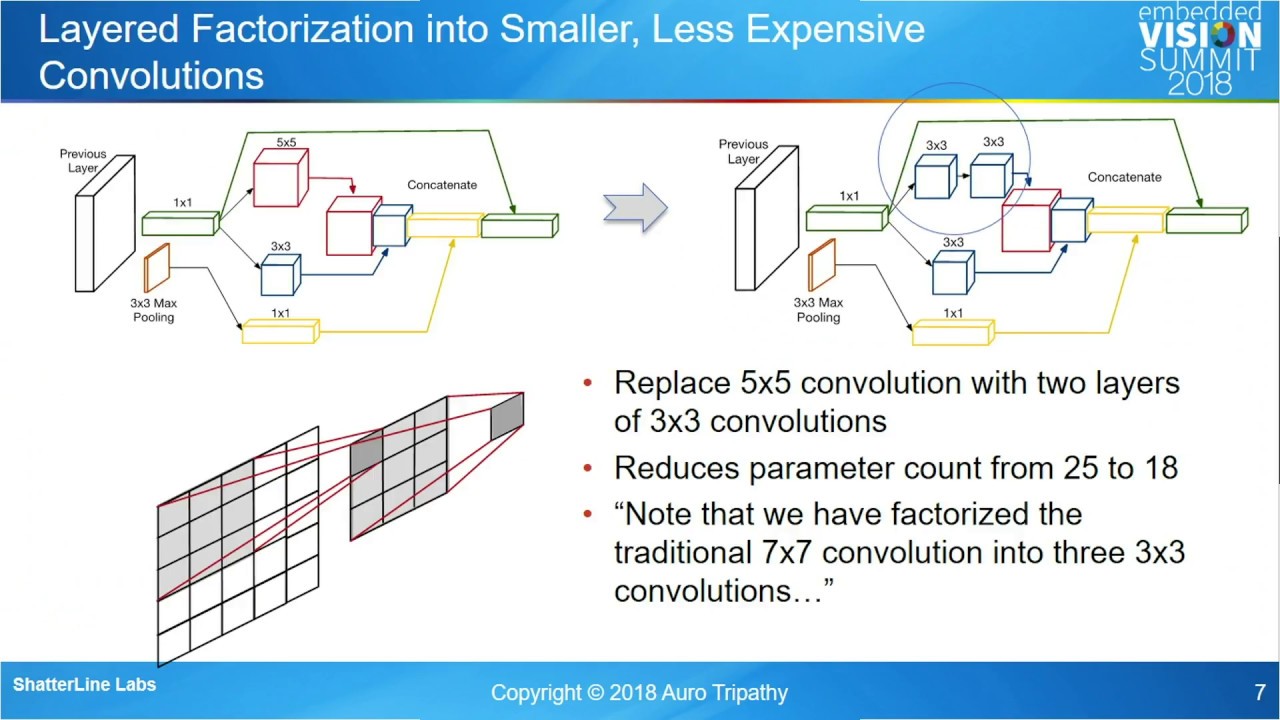
Auro Tripathy, Founding Principal at ShatterLine Labs (representing AMD), presents the “From Feature Engineering to Network Engineering” tutorial at the May 2018 Embedded Vision Summit. The availability of large labeled image datasets is tilting the balance in favor of “network engineering”instead of “feature engineering”. Hand-designed features dominated recognition tasks in the past, but now features

“From Feature Engineering to Network Engineering,” a Presentation from ShatterLine Labs and AMD Read More +

EVA180x100

Embedded Vision Insights: August 7, 2018 Edition

OPENVX UPDATES The OpenVX Computer Vision and Neural Network Inference Library Standard for Portable, Efficient Code OpenVX is an industry-standard computer vision and neural network inference API designed for efficient implementation on a variety of embedded platforms. The API incorporates the concept of a dataflow graph, which enables processor and tool developers to apply a

Embedded Vision Insights: August 7, 2018 Edition Read More +

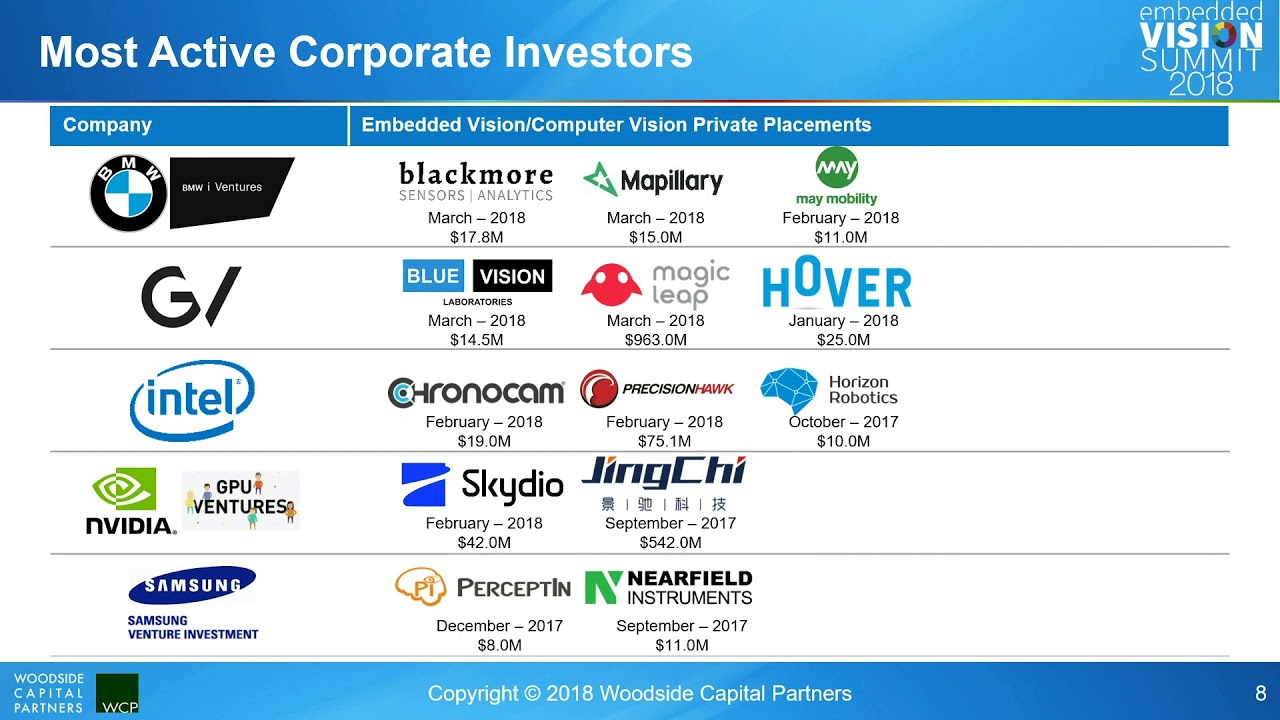
“What’s Hot? The M&A and Funding Landscape for Machine Vision Companies,” A Presentation from Woodside Capital Partners

Rudy Burger, Managing Partner at Woodside Capital Partners, presents the “What’s Hot? The M&A and Funding Landscape for Machine Vision Companies” tutorial at the May 2018 Embedded Vision Summit. The six primary markets driving computer vision are automotive, sports and entertainment, consumer and mobile, robotics and machine vision, medical, and security and surveillance. This presentation

“What’s Hot? The M&A and Funding Landscape for Machine Vision Companies,” A Presentation from Woodside Capital Partners Read More +

“Data-driven Business Models Enabled by 3D Vision Technology,” a Presentation from FRAMOS

Christopher Scheubel, Head of IP and Business Development at FRAMOS, presents the “Data-driven Business Models Enabled by 3D Vision Technology” tutorial at the May 2018 Embedded Vision Summit. This presentation describes which applications are enabled by low-cost 3D vision technology, such as home robotics, smart cities/communities and drones for precision farming, and which business models

“Data-driven Business Models Enabled by 3D Vision Technology,” a Presentation from FRAMOS Read More +

iStock-953497790-1280x853

SuperVize Me: What’s the Difference Between Supervised, Unsupervised, Semi-Supervised and Reinforcement Learning?

This blog post was originally published at NVIDIA’s website. It is reprinted here with the permission of NVIDIA. There are a few different ways to build IKEA furniture. Each will, ideally, lead to a completed couch or chair. But depending on the details, one approach will make more sense than the others. Got the instruction

SuperVize Me: What’s the Difference Between Supervised, Unsupervised, Semi-Supervised and Reinforcement Learning? Read More +

“Balancing Safety, Convenience and Privacy in the Era of Ubiquitous Cameras,” a Presentation from Intel

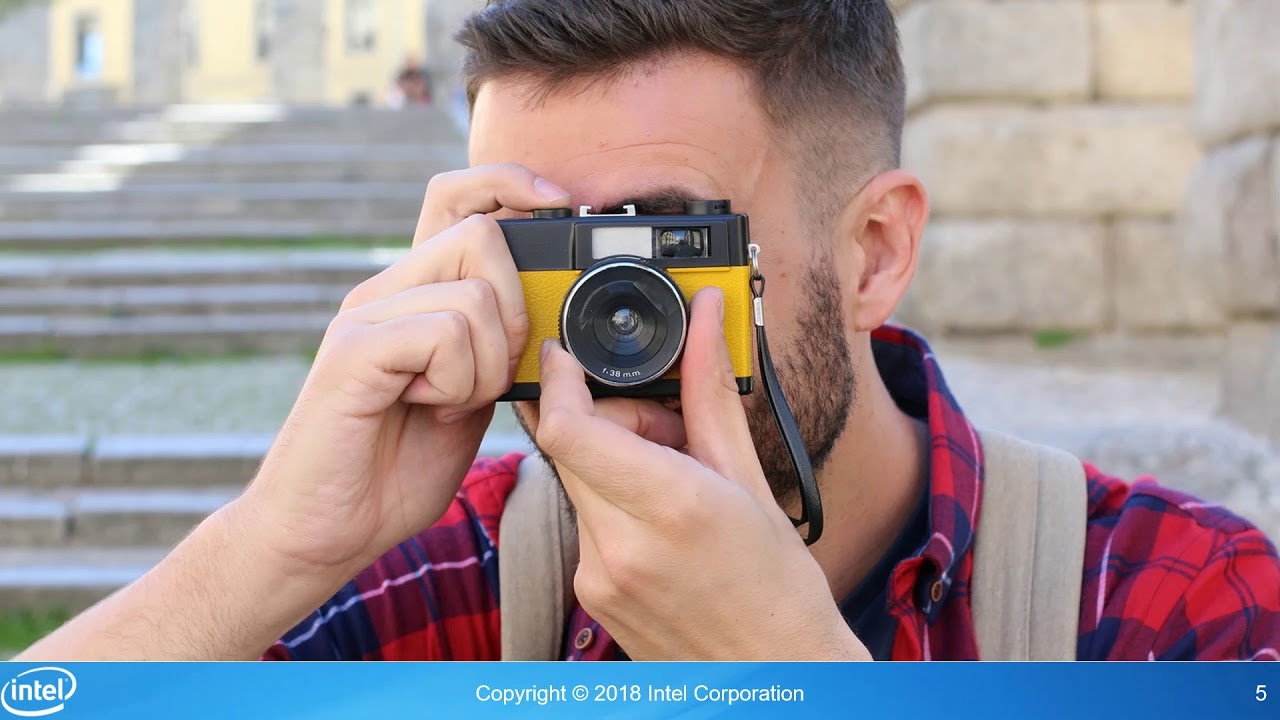
Charlotte Dryden, Director of the Visual Computing Developer Solutions team at Intel, presents the “Balancing Safety, Convenience and Privacy in the Era of Ubiquitous Cameras” tutorial at the May 2018 Embedded Vision Summit. Computer vision-enabled cameras are proliferating rapidly and will soon be ubiquitous – in, on and around vehicles, homes, toys, stores, public transit,

“Balancing Safety, Convenience and Privacy in the Era of Ubiquitous Cameras,” a Presentation from Intel Read More +

“What is Neuromorphic Event-based Computer Vision? Sensors, Theory and Applications,” a Presentation from Ryad B. Benosman

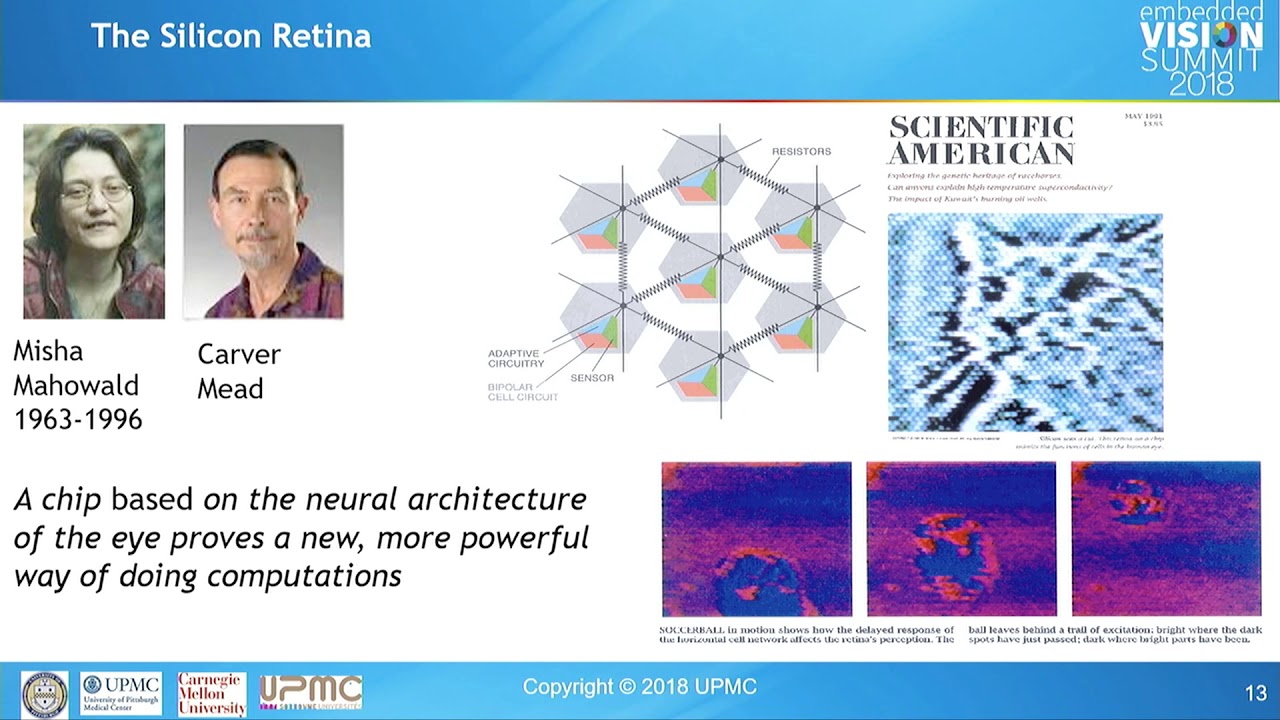
Ryad B. Benosman, Professor at the University of Pittsburgh Medical Center, Carnegie Mellon University and Sorbonne Universitas, presents the “What is Neuromorphic Event-based Computer Vision? Sensors, Theory and Applications” tutorial at the May 2018 Embedded Vision Summit. In this presentation, Benosman introduces neuromorphic, event-based approaches for image sensing and processing. State-of-the-art image sensors suffer from

“What is Neuromorphic Event-based Computer Vision? Sensors, Theory and Applications,” a Presentation from Ryad B. Benosman Read More +

halcon_18

Machine Vision Gets Even More Advanced: MVTec Launches HALCON 18.11

New release offers expanded deep learning functions Many usability improvements for developers Release date: November 2018 Munich, August 1, 2018 – MVTec Software GmbH (www.mvtec.com), the leading provider of modern machine vision technologies, announces the new version 18.11 of its standard software HALCON for November 2018. HALCON 18.11 will officially be introduced at VISION 2018

Machine Vision Gets Even More Advanced: MVTec Launches HALCON 18.11 Read More +

Luxoft and Daimler Co-develop Technology Platform that Powers the MBUX Infotainment System

Stuttgart, Germany – August 1, 2018 – Luxoft Holding, Inc (NYSE: LXFT), a global IT service provider, and Daimler AG, the global automotive manufacturer, have partnered to develop the software platform that powers Mercedes-Benz User Experience (MBUX), a state-of-the-art infotainment system installed in all new Mercedes A-class vehicles. “The technology revolution in the automotive sector

Luxoft and Daimler Co-develop Technology Platform that Powers the MBUX Infotainment System Read More +

Here you’ll find a wealth of practical technical insights and expert advice to help you bring AI and visual intelligence into your products without flying blind.

Contact

Address

Berkeley Design Technology, Inc.
PO Box #4446
Walnut Creek, CA 94596

Phone
Phone: +1 (925) 954-1411
Scroll to Top