
PROVIDER

What Happens When the Inspection AI Fails: Learning from Production Line Mistakes

This blog post was originally published at Lincode’s website. It is reprinted here with the permission of Lincode. Studies show that about 34% of manufacturing defects are missed because inspection systems make mistakes.[1] These numbers show a big problem—when the inspection AI misses something, even a tiny defect can spread across hundreds or thousands of products. One […]

What Happens When the Inspection AI Fails: Learning from Production Line Mistakes Read More +
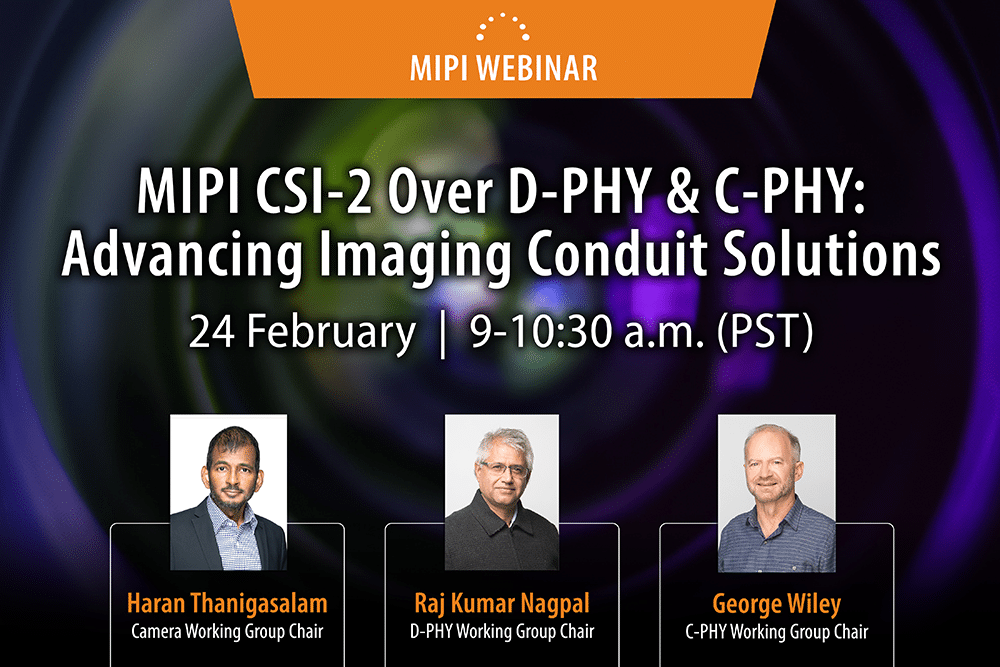
Upcoming Webinar on CSI-2 over D-PHY & C-PHY

On February 24, 2026, at 9:00 am PST (12:00 pm EST) MIPI Alliance will deliver a webinar “MIPI CSI-2 over D-PHY & C-PHY: Advancing Imaging Conduit Solutions” From the event page: MIPI CSI-2®, together with MIPI D-PHY™ and C-PHY™ physical layers, form the foundation of image sensor solutions across a wide range of markets, including

Upcoming Webinar on CSI-2 over D-PHY & C-PHY Read More +

What’s New in MIPI Security: MIPI CCISE and Security for Debug

This blog post was originally published at MIPI Alliance’s website. It is reprinted here with the permission of MIPI Alliance. As the need for security becomes increasingly more critical, MIPI Alliance has continued to broaden its portfolio of standardized solutions, adding two more specifications in late 2025, and continuing work on significant updates to the MIPI Camera

What’s New in MIPI Security: MIPI CCISE and Security for Debug Read More +

Production-Ready, Full-Stack Edge AI Solutions Turn Microchip’s MCUs and MPUs Into Catalysts for Intelligent Real-Time Decision-Making

Chandler, Ariz., February 10, 2026 — A major next step for artificial intelligence (AI) and machine learning (ML) innovation is moving ML models from the cloud to the edge for real-time inferencing and decision-making applications in today’s industrial, automotive, data center and consumer Internet of Things (IoT) networks. Microchip Technology (Nasdaq: MCHP) has extended its edge AI offering

Production-Ready, Full-Stack Edge AI Solutions Turn Microchip’s MCUs and MPUs Into Catalysts for Intelligent Real-Time Decision-Making Read More +

Accelerating next-generation automotive designs with the TDA5 Virtualizer™ Development Kit

This blog post was originally published at Texas Instruments’ website. It is reprinted here with the permission of Texas Instruments. Introduction Continuous innovation in high-performance, power-efficient systems-on-a-chip (SoCs) is enabling safer, smarter and more autonomous driving experiences in even more vehicles. As another big step forward, Texas Instruments and Synopsys developed a Virtualizer Development Kit™ (VDK) for the

Accelerating next-generation automotive designs with the TDA5 Virtualizer™ Development Kit Read More +

Into the Omniverse: OpenUSD and NVIDIA Halos Accelerate Safety for Robotaxis, Physical AI Systems

This blog post was originally published at NVIDIA’s website. It is reprinted here with the permission of NVIDIA. NVIDIA Editor’s note: This post is part of Into the Omniverse, a series focused on how developers, 3D practitioners and enterprises can transform their workflows using the latest advancements in OpenUSD and NVIDIA Omniverse. New NVIDIA safety

Into the Omniverse: OpenUSD and NVIDIA Halos Accelerate Safety for Robotaxis, Physical AI Systems Read More +

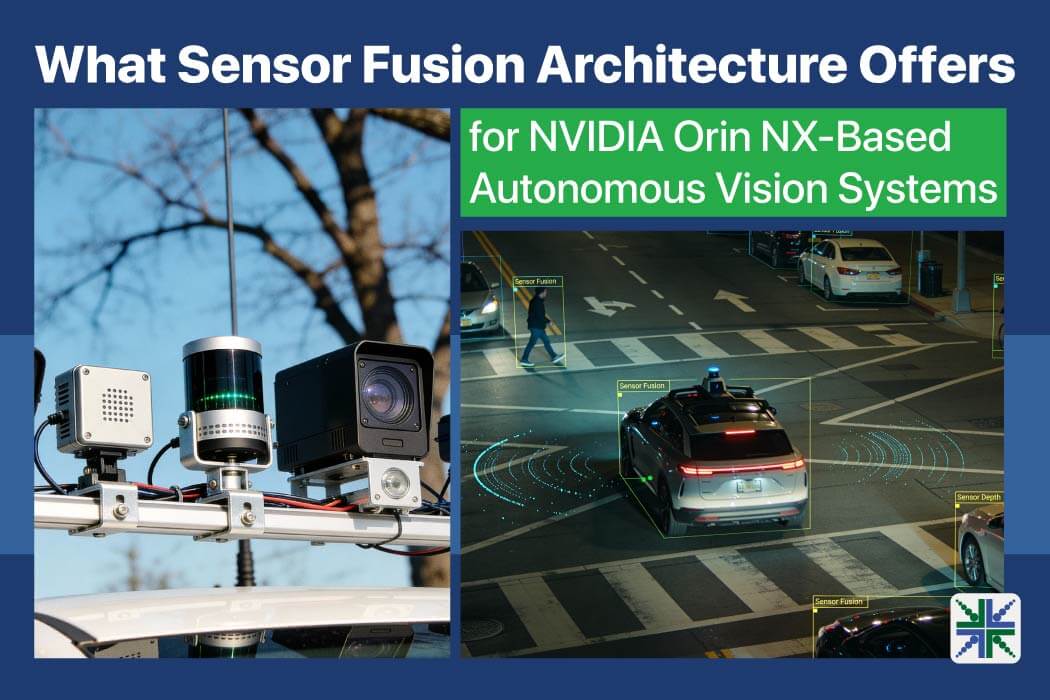
What Sensor Fusion Architecture Offers for NVIDIA Orin NX-Based Autonomous Vision Systems

This blog post was originally published at e-con Systems’ website. It is reprinted here with the permission of e-con Systems. Key Takeaways Why multi-sensor timing drift weakens edge AI perception How GNSS-disciplined clocks align cameras, LiDAR, radar, and IMUs Role of Orin NX as a central timing authority for sensor fusion Operational gains from unified time-stamping

What Sensor Fusion Architecture Offers for NVIDIA Orin NX-Based Autonomous Vision Systems Read More +

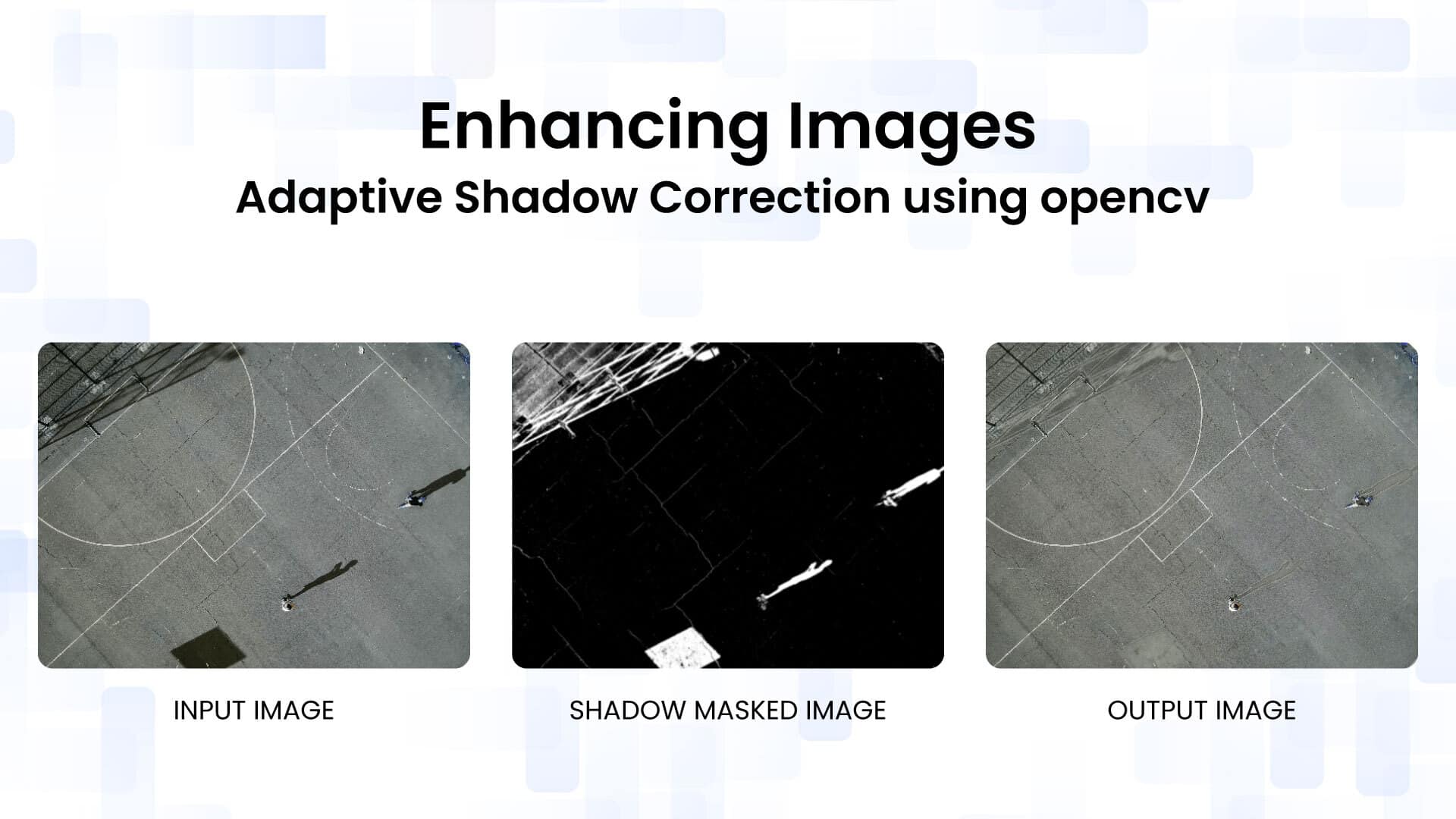
Enhancing Images: Adaptive Shadow Correction Using OpenCV

This blog post was originally published at OpenCV’s website. It is reprinted here with the permission of OpenCV. Imagine capturing the perfect landscape photo on a sunny day, only to find harsh shadows obscuring key details and distorting colors. Similarly, in computer vision projects, shadows can interfere with object detection algorithms, leading to inaccurate results.

Enhancing Images: Adaptive Shadow Correction Using OpenCV Read More +

Edge AI and Vision Insights: February 4, 2026

LETTER FROM THE EDITOR Dear Colleague, Whether you’re at one of the big AI players making headlines, or trying to break out with a startup, many of our readers are on their own journey to scale—turning prototypes into robust products, moving from research workflows into production pipelines, and scaling deployments in the real world. We’ll

Edge AI and Vision Insights: February 4, 2026 Read More +

Driving the Future of Automotive AI: Meet RoX AI Studio

This blog post was originally published at Renesas’ website. It is reprinted here with the permission of Renesas. In today’s automotive industry, onboard AI inference engines drive numerous safety-critical Advanced Driver Assistance Systems (ADAS) features, all of which require consistent, high-performance processing. Given that AI model engineering is inherently iterative (numerous cycles of ‘train, validate, and

Driving the Future of Automotive AI: Meet RoX AI Studio Read More +

Here you’ll find a wealth of practical technical insights and expert advice to help you bring AI and visual intelligence into your products without flying blind.

Contact

Address

Berkeley Design Technology, Inc.
PO Box #4446
Walnut Creek, CA 94596

Phone
Phone: +1 (925) 954-1411
Scroll to Top