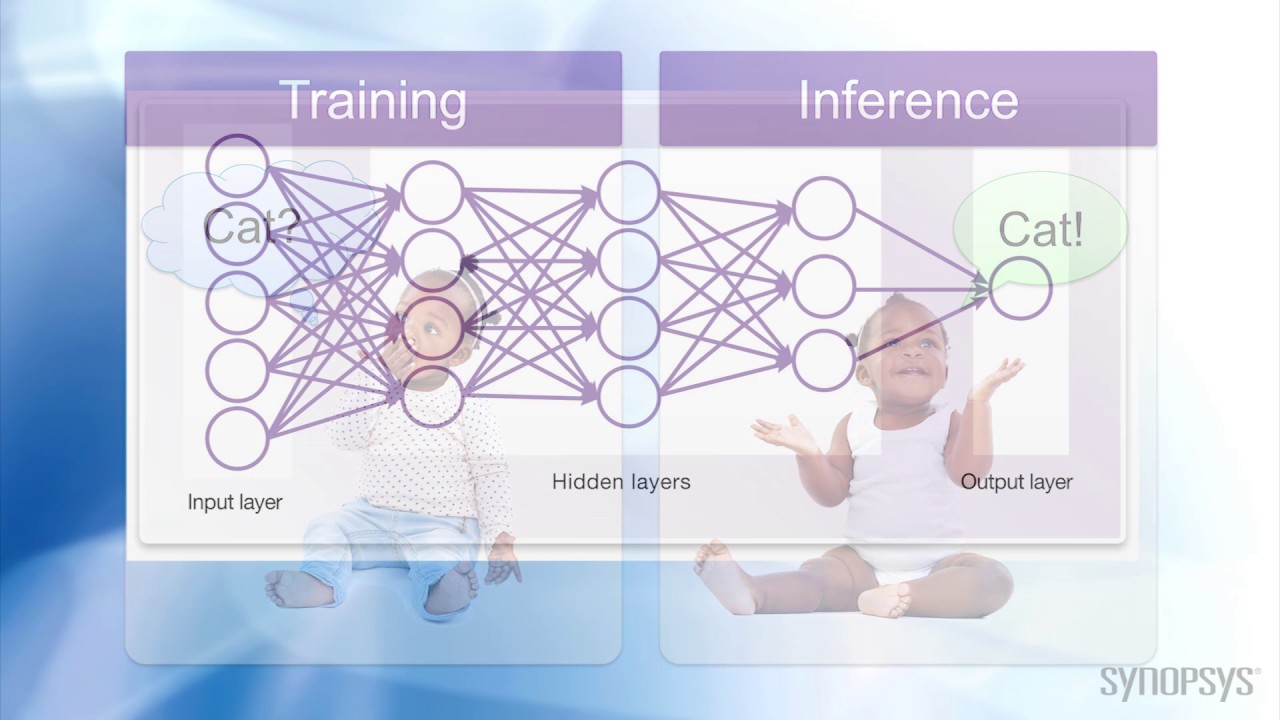
“Deep Learning and CNN for Embedded Vision,” a Video from Synopsys

This video, one in a series published by Alliance member company Synopsys, explains how machines use deep learning for complex tasks for automotive ADAS, surveillance, augmented reality, and other applications. Deep learning is a mathematical way to model abstract data, and in Synopsys' opinion is quickly becoming a requirement for vision processors.

“Deep Learning and CNN for Embedded Vision,” a Video from Synopsys Read More +

mvtec-logo-web

Machine Vision: MVTec HALCON Sets New Standards for the Use of Deep Learning

New HALCON version with comprehensive deep learning functionality Impressive recognition rates and the best classification results To be released at the end of the year Munich, July 31, 2017 – MVTec Software GmbH (www.mvtec.com), the leading provider of innovative machine vision technologies, announces a new version of its standard software HALCON. The release, which will

Machine Vision: MVTec HALCON Sets New Standards for the Use of Deep Learning Read More +

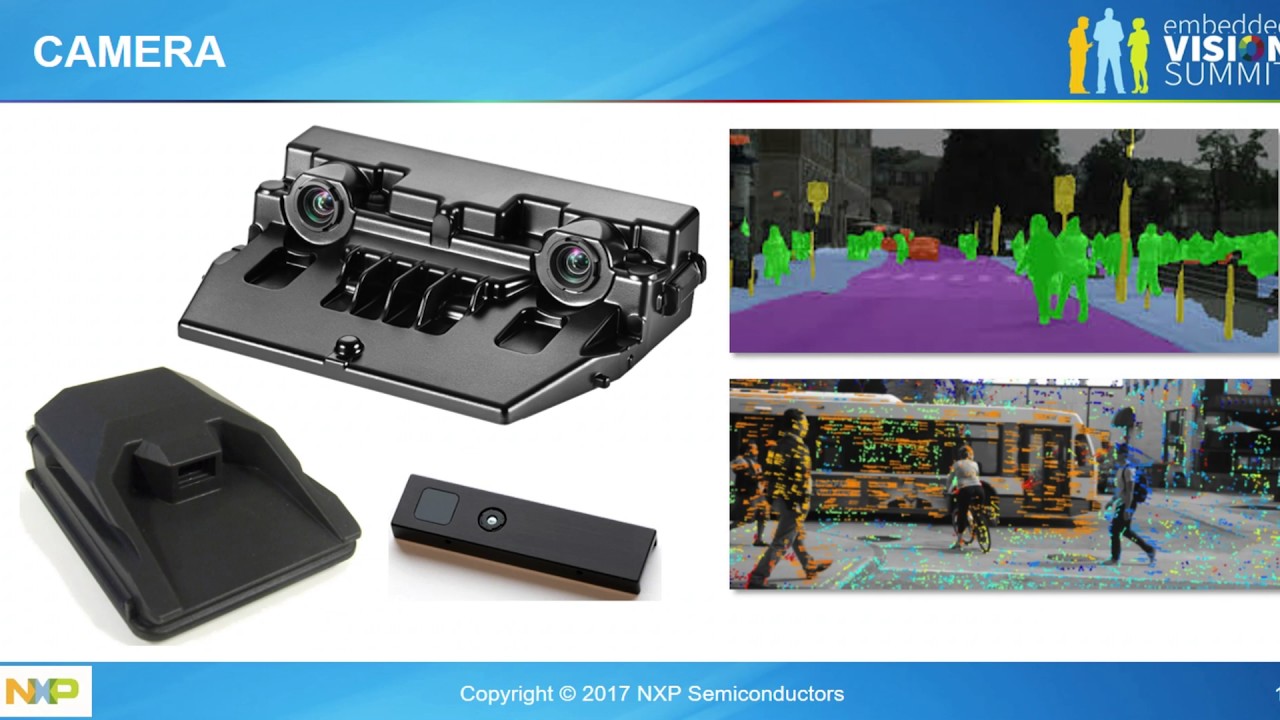
“Choosing the Optimum Mix of Sensors for Driver Assistance and Autonomous Vehicles,” a Presentation from NXP Semiconductors

Ali Osman Ors, Director of Automotive Microcontrollers and Processors at NXP Semiconductors, presents the "Choosing the Optimum Mix of Sensors for Driver Assistance and Autonomous Vehicles" tutorial at the May 2017 Embedded Vision Summit. A diverse set of sensor technologies is available and emerging to provide vehicle autonomy or driver assistance. These sensor technologies often

“Choosing the Optimum Mix of Sensors for Driver Assistance and Autonomous Vehicles,” a Presentation from NXP Semiconductors Read More +

“Choosing the Optimum Mix of Sensors for Driver Assistance and Autonomous Vehicles,” a Presentation from NXP Semiconductors

Ali Osman Ors, Director of Automotive Microcontrollers and Processors at NXP Semiconductors, presents the "Choosing the Optimum Mix of Sensors for Driver Assistance and Autonomous Vehicles" tutorial at the May 2017 Embedded Vision Summit. A diverse set of sensor technologies is available and emerging to provide vehicle autonomy or driver assistance. These sensor technologies often

“Choosing the Optimum Mix of Sensors for Driver Assistance and Autonomous Vehicles,” a Presentation from NXP Semiconductors Read More +

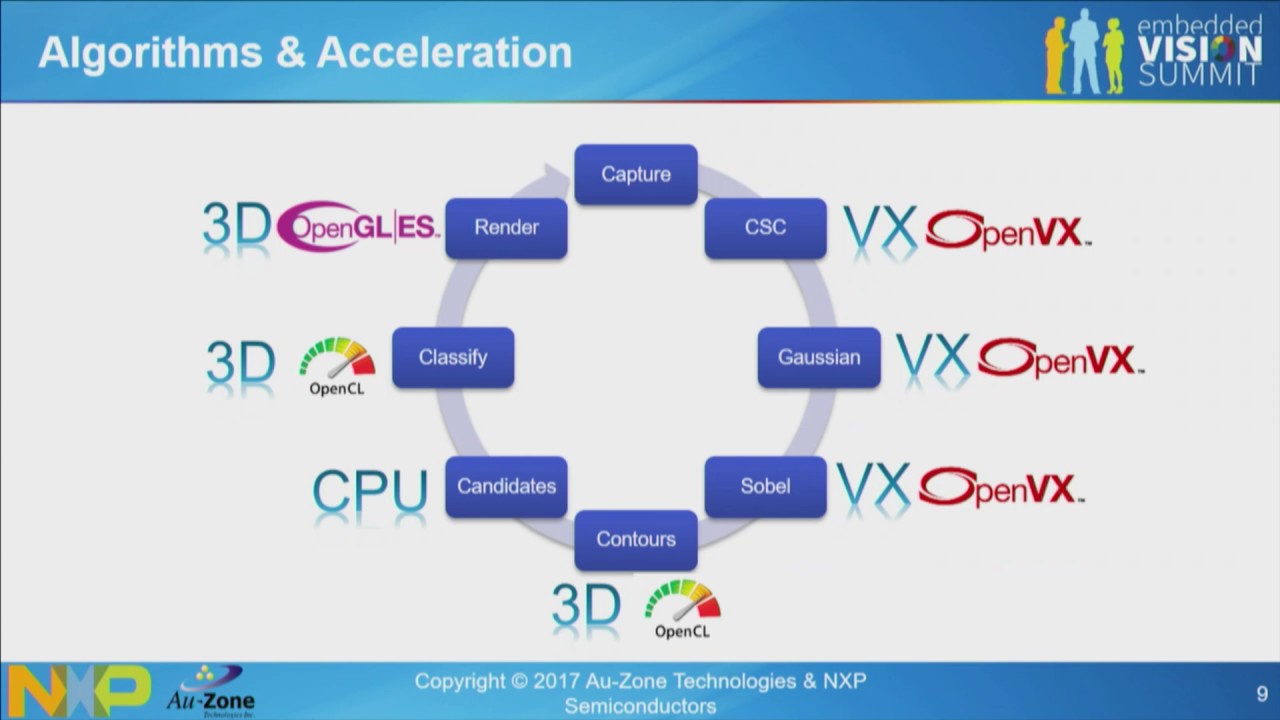
“Implementing an Optimized CNN Traffic Sign Recognition Solution,” a Presentation from NXP Semiconductors and Au-Zone Technologies

Rafal Malewski, Head of the Graphics Technology Engineering Center at NXP Semiconductors, and Sébastien Taylor, Vision Technology Architect at Au-Zone Technologies, present the "Implementing an Optimized CNN Traffic Sign Recognition Solution" tutorial at the May 2017 Embedded Vision Summit. Now that the benefits of using deep neural networks for image classification are well known, the

“Implementing an Optimized CNN Traffic Sign Recognition Solution,” a Presentation from NXP Semiconductors and Au-Zone Technologies Read More +

“Implementing an Optimized CNN Traffic Sign Recognition Solution,” a Presentation from NXP Semiconductors and Au-Zone Technologies

Rafal Malewski, Head of the Graphics Technology Engineering Center at NXP Semiconductors, and Sébastien Taylor, Vision Technology Architect at Au-Zone Technologies, present the "Implementing an Optimized CNN Traffic Sign Recognition Solution" tutorial at the May 2017 Embedded Vision Summit. Now that the benefits of using deep neural networks for image classification are well known, the

“Implementing an Optimized CNN Traffic Sign Recognition Solution,” a Presentation from NXP Semiconductors and Au-Zone Technologies Read More +

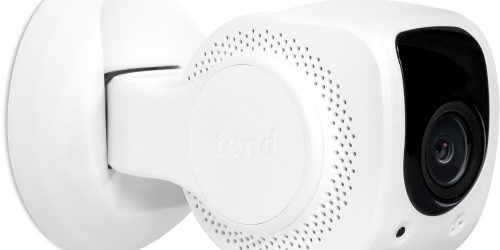
Tend Secure Lynx A

Privacy in the Era of Ubiquitous Cameras and AI

This blog post was originally published in the late July 2017 edition of BDTI’s InsideDSP newsletter. It is reprinted here with the permission of BDTI. Lately I’ve been thinking about the relationship between embedded vision and privacy. Surveillance cameras are nothing new, of course. For decades, they’ve been ubiquitous in and around restaurants, stores, banks,

Privacy in the Era of Ubiquitous Cameras and AI Read More +

1501015586-Moto-Mod_600_349

Movidius Low-power VPU Technology Delivers 4K VR Pixel-processing Performance for Motorola’s Newest Moto Mod

25 July 2017 – Movidius’ Myriad 2 Vision Processing Unit (VPU) technology, known for its image signal processing and computer vision capabilities with high energy efficiency, was selected by Motorola Mobility to power their newest Moto Mod: the 360 Camera. Moto Mods are unique modular accessories for Motorola smartphones that bring advanced functionality beyond traditional

Movidius Low-power VPU Technology Delivers 4K VR Pixel-processing Performance for Motorola’s Newest Moto Mod Read More +

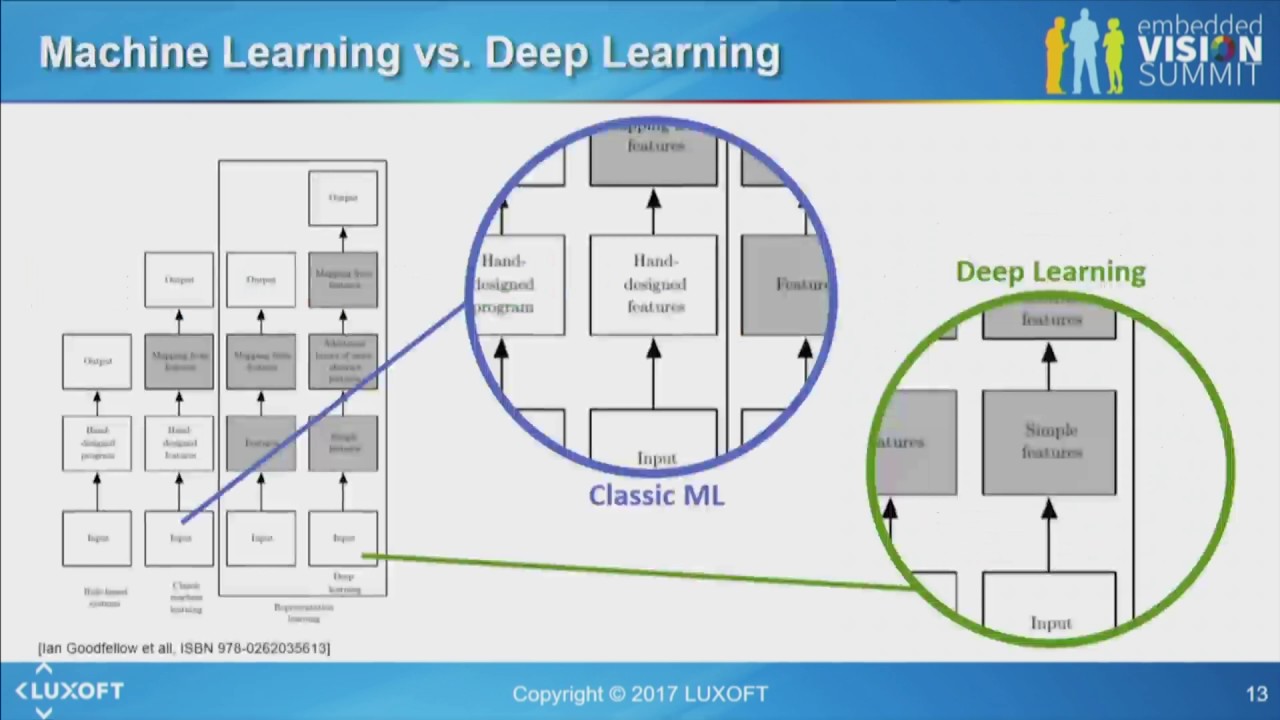
“Deep Learning Beyond Cats and Cars: Developing a Real-life DNN-based Embedded Vision Product for Agriculture, Construction, Medical, or Retail,” a Presentation from Luxoft

Alexey Rybakov, Senior Director for Embedded Systems at Luxoft, presents the "Deep Learning Beyond Cats and Cars: Developing a Real-life DNN-based Embedded Vision Product for Agriculture, Construction, Medical, or Retail" tutorial at the May 2017 Embedded Vision Summit. By now we know very well how to design and train a neural network to recognize cats,

“Deep Learning Beyond Cats and Cars: Developing a Real-life DNN-based Embedded Vision Product for Agriculture, Construction, Medical, or Retail,” a Presentation from Luxoft Read More +

“Deep Learning Beyond Cats and Cars: Developing a Real-life DNN-based Embedded Vision Product for Agriculture, Construction, Medical, or Retail,” a Presentation from Luxoft

Alexey Rybakov, Senior Director for Embedded Systems at Luxoft, presents the "Deep Learning Beyond Cats and Cars: Developing a Real-life DNN-based Embedded Vision Product for Agriculture, Construction, Medical, or Retail" tutorial at the May 2017 Embedded Vision Summit. By now we know very well how to design and train a neural network to recognize cats,

“Deep Learning Beyond Cats and Cars: Developing a Real-life DNN-based Embedded Vision Product for Agriculture, Construction, Medical, or Retail,” a Presentation from Luxoft Read More +

Here you’ll find a wealth of practical technical insights and expert advice to help you bring AI and visual intelligence into your products without flying blind.

Contact

Address

Berkeley Design Technology, Inc.
PO Box #4446
Walnut Creek, CA 94596

Phone
Phone: +1 (925) 954-1411
Scroll to Top