Brian Dipert

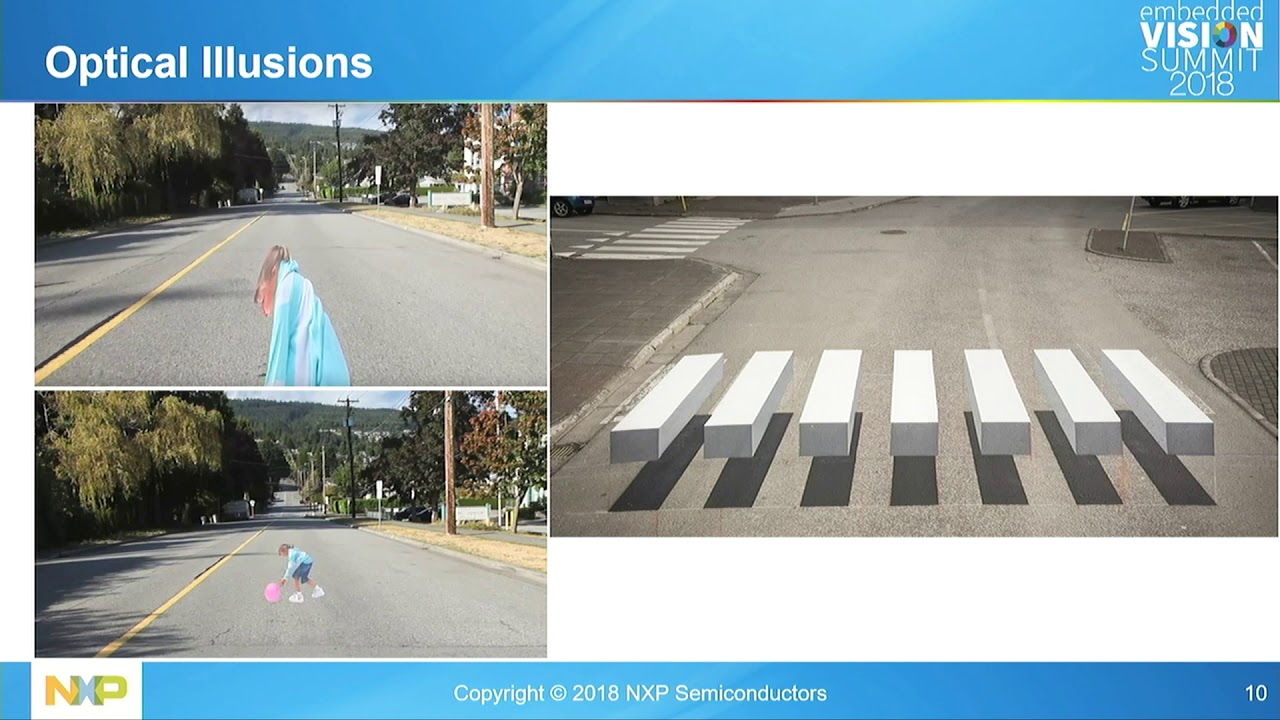
“The Role of the Cloud in Autonomous Vehicle Vision Processing: A View from the Edge,” a Presentation from NXP Semiconductors

Ali Osman Ors, Director of Automotive Microcontrollers and Processors at NXP Semiconductors, presents the “Role of the Cloud in Autonomous Vehicle Vision Processing: A View from the Edge” tutorial at the May 2018 Embedded Vision Summit. Regardless of the processing topology—distributed, centralized or hybrid —sensor processing in automotive is an edge compute problem. However, with […]
“The Role of the Cloud in Autonomous Vehicle Vision Processing: A View from the Edge,” a Presentation from NXP Semiconductors Read More +

image003

Automotive SoC Market to Grow US$ 26,800.5 Million by 2028

August 29, 2018 – Increasing electrification of automobiles coupled with government initiatives and technological advancements promoting safe driving are crucial factors accelerating the demand for automotive systems-on-chips (SoC) in the coming years. The global automotive SoC market was valued at US$ 12,007.6 Mn in 2017. However, considering that the engineering marvel- autonomous cars have captured

Automotive SoC Market to Grow US$ 26,800.5 Million by 2028 Read More +

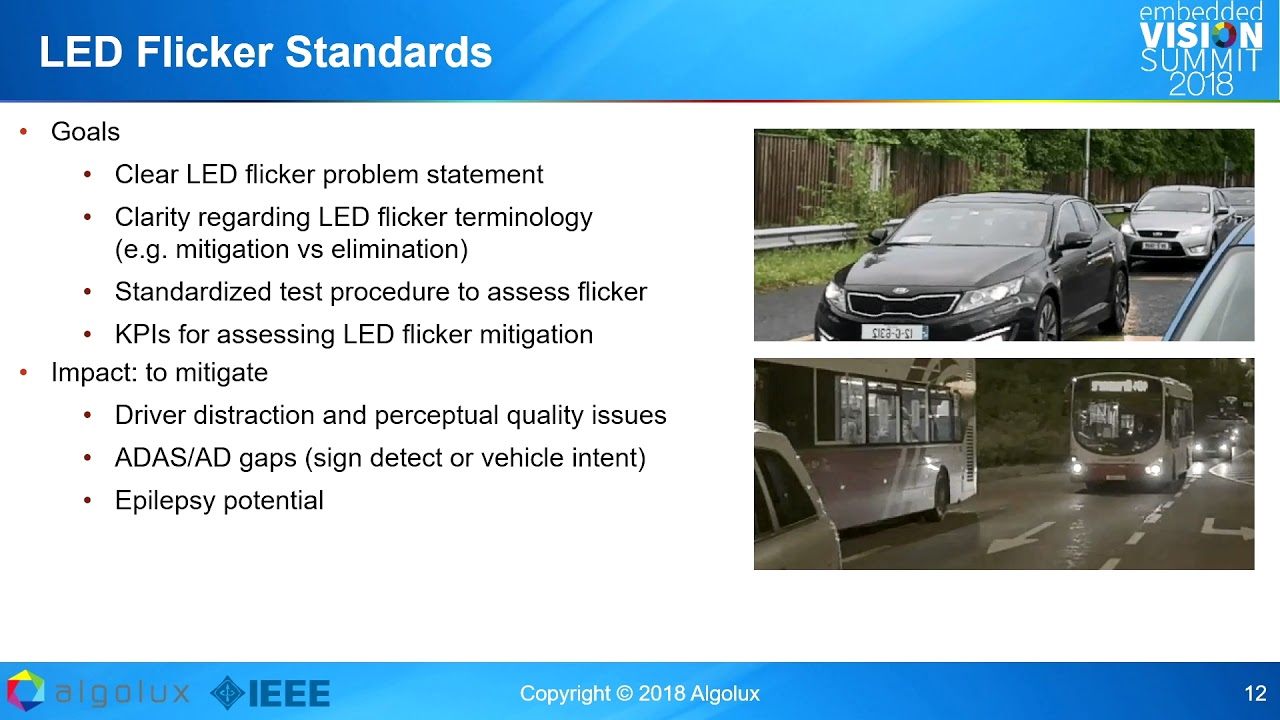
“Understanding Real-World Imaging Challenges for ADAS and Autonomous Vision Systems – IEEE P2020,” a Presentation from Algolux

Felix Heide, CTO and Co-founder of Algolux, presents the “Understanding Real-World Imaging Challenges for ADAS and Autonomous Vision Systems – IEEE P2020” tutorial at the May 2018 Embedded Vision Summit. ADAS and autonomous driving systems rely on sophisticated sensor, image processing and neural-network based perception technologies. This has resulted in effective driver assistance capabilities and

“Understanding Real-World Imaging Challenges for ADAS and Autonomous Vision Systems – IEEE P2020,” a Presentation from Algolux Read More +

“Rapid Development of Efficient Vision Applications Using the Halide Language and CEVA Processors,” a Presentation from CEVA and mPerpetuo

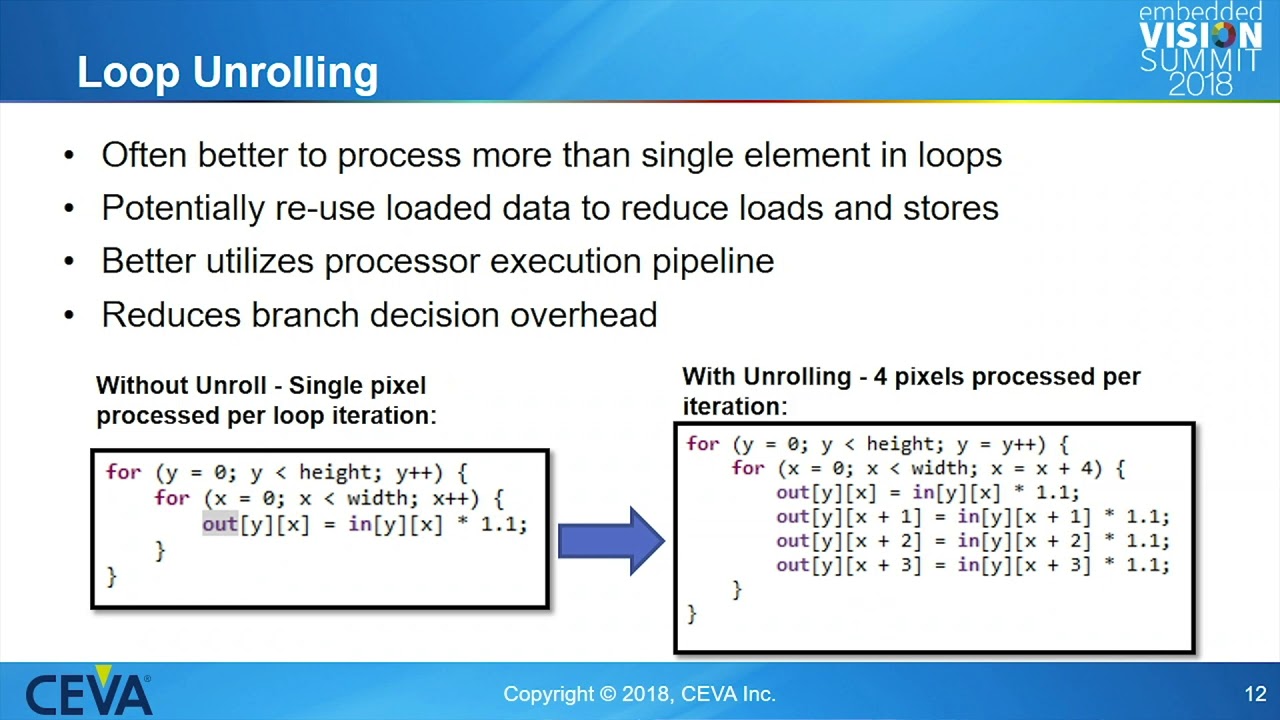
Yair Siegel, Director of Business Development at CEVA, and Gary Gitelson, VP of Engineering at mPerpetuo, presents the “Rapid Development of Efficient Vision Applications Using the Halide Language and CEVA Processors” tutorial at the May 2018 Embedded Vision Summit. Halide is a domain-specific programming language for imaging and vision applications that has been adopted by

“Rapid Development of Efficient Vision Applications Using the Halide Language and CEVA Processors,” a Presentation from CEVA and mPerpetuo Read More +

MD-AIMF-3Q18-chart

Artificial Intelligence Software Market to Reach $105.8 Billion in Annual Worldwide Revenue by 2025

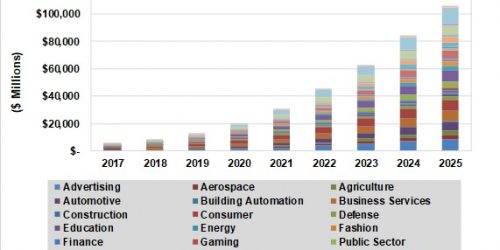
This market research report was originally published at Tractica's website. It is reprinted here with the permission of Tractica. The Telecommunications, Consumer, Advertising, Business Services, and Healthcare Industry Sectors Will Lead in AI Adoption, Amidst a Growing Field of Nearly 300 Real-World AI Use Cases Across 30 Industries The artificial intelligence (AI) market is entering

Artificial Intelligence Software Market to Reach $105.8 Billion in Annual Worldwide Revenue by 2025 Read More +

“Mythic’s Analog Deep Learning Accelerator Chip: High Performance Inference,” a Presentation from Mythic

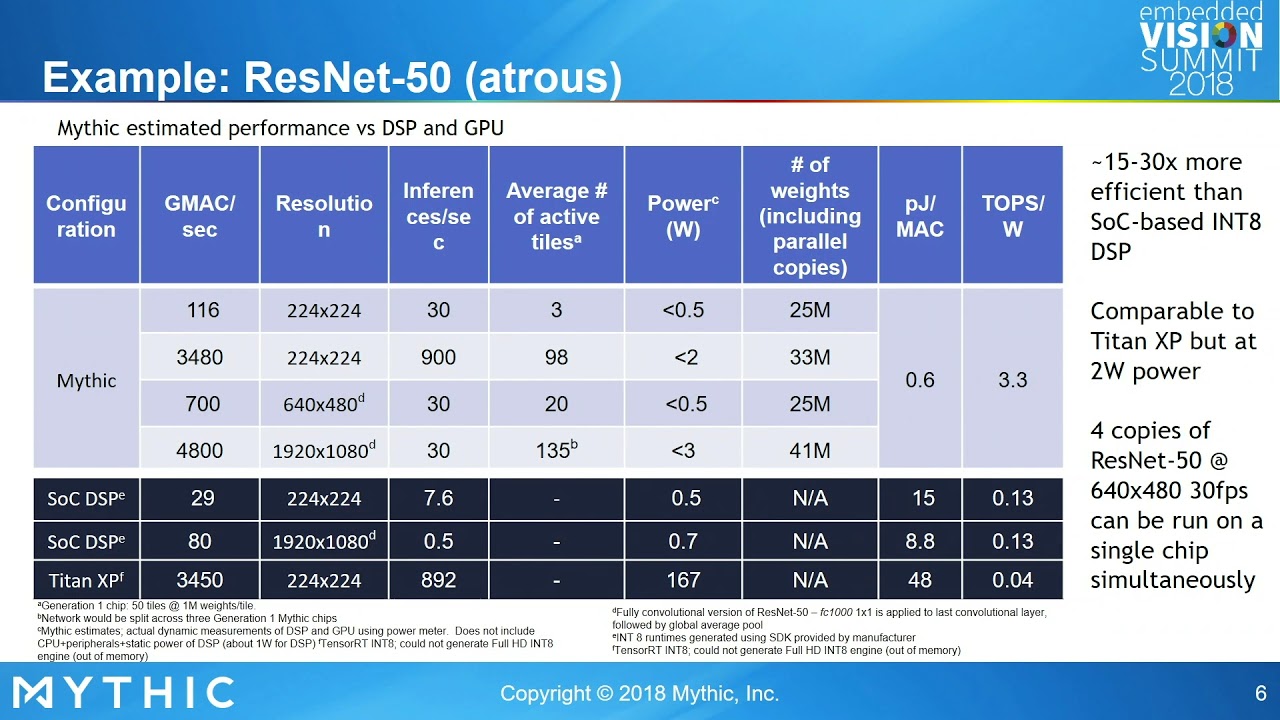
Frederick Soo, Head of Product Development at Mythic, presents the “Mythic’s Analog Deep Learning Accelerator Chip: High Performance Inference” tutorial at the May 2018 Embedded Vision Summit. This presentation explains how Mythic’s deep learning accelerator chip uses a unique analog circuit approach to deliver massive power, speed and scalability advantages over current generation deep learning

“Mythic’s Analog Deep Learning Accelerator Chip: High Performance Inference,” a Presentation from Mythic Read More +

astronomy scientific grade scmos high resolution large sensor cameras

XIMEA Announces Cooled Range of sCMOS Cameras Including Backside-illuminated Models

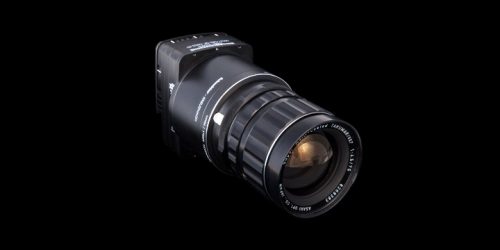
MUNSTER, Germany – 2018-08-24 – Increased challenges in Scientific field and industrial applications require further enhancement in camera quality and XIMEA is preparing a combination of models based on the newest Scientific CMOS (sCMOS) sensors divided into versions with Thermoelectric Peltier cooling or PCI Express interface which delivers their full speed potential. The whole range

XIMEA Announces Cooled Range of sCMOS Cameras Including Backside-illuminated Models Read More +

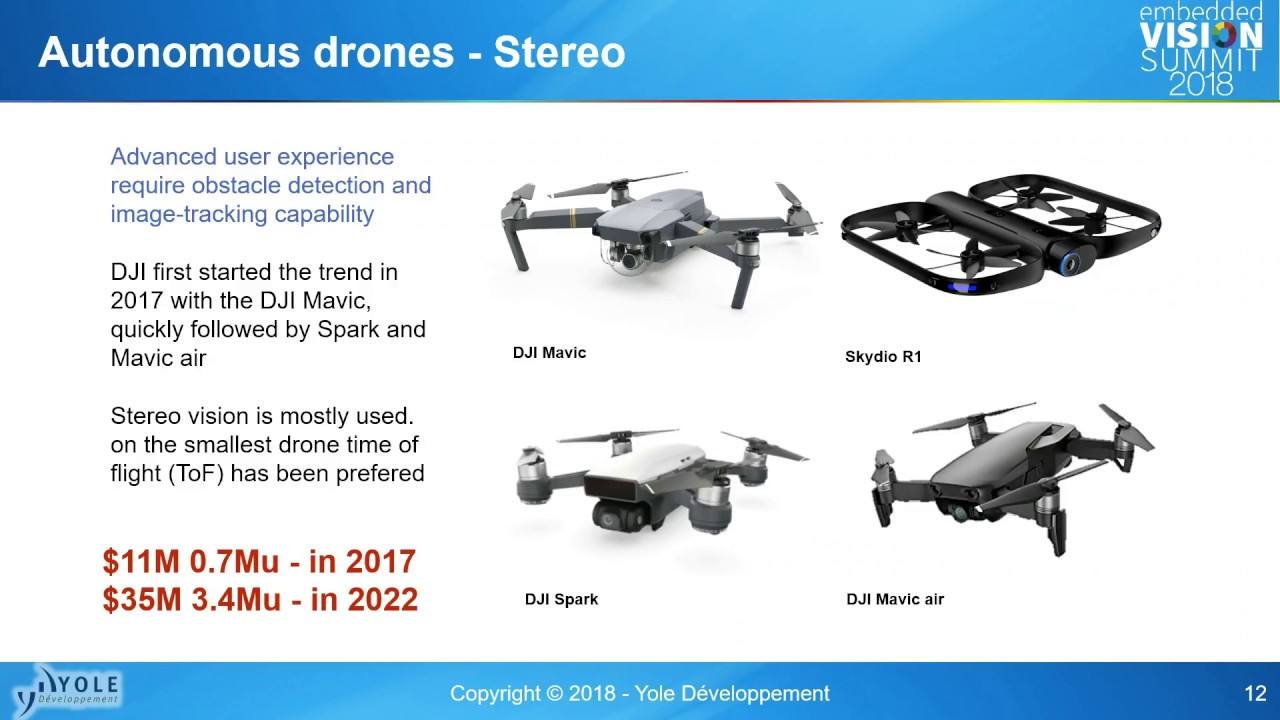
“From 2D to 3D: How Depth Sensing Will Shape the Future of Vision,” a Presentation from Yole Développement

Guillaume Girardin, Division Director for photonics, sensing and displays at Yole Développement, presents the “From 2D to 3D: How Depth Sensing Will Shape the Future of Vision” tutorial at the May 2018 Embedded Vision Summit. For several decades, 3D imaging and sensing technologies have matured, thanks to extensive, successful deployments in high-end applications, mainly in

“From 2D to 3D: How Depth Sensing Will Shape the Future of Vision,” a Presentation from Yole Développement Read More +

1*x7FJASuPDMsW9X-JX1FSEw

Training Data to Help Machines See

This blog post was originally published at Camio's website. It is reprinted here with the permission of Camio. Assembling realistic and relevant training data is critical to the quality of AI classifiers. But finding and collecting all that real-life data is hard — especially when the training data is specialized for specific camera scenes and private to

Training Data to Help Machines See Read More +

“Enabling Cross-platform Deep Learning Applications with the Intel CV SDK,” a Presentation from Intel

Yury Gorbachev, Principal Engineer and the Lead Architect for the Computer Vision SDK at Intel, presents the “Enabling Cross-platform Deep Learning Applications with the Intel CV SDK” tutorial at the May 2018 Embedded Vision Summit. Intel offers a wide array of processors for computer vision and deep learning at the edge, including CPUs, GPUs, VPUs

“Enabling Cross-platform Deep Learning Applications with the Intel CV SDK,” a Presentation from Intel Read More +

Here you’ll find a wealth of practical technical insights and expert advice to help you bring AI and visual intelligence into your products without flying blind.

Contact

Address

Berkeley Design Technology, Inc.
PO Box #4446
Walnut Creek, CA 94596

Phone
Phone: +1 (925) 954-1411
Scroll to Top